Which Lubricant for Which Toy: A Compatibility Guide
Most people buy a lubricant based on price, scent, or whatever the shop had. Then they use it with everything they own, and wonder why a favourite toy developed a tacky surface after a few months, or why a condom failed when nothing seemed unusual.
Lubricant compatibility isn’t a marketing concern. It’s chemistry, and getting it wrong quietly destroys products or, in one case, creates a genuine safety risk. The rules are simple enough to learn in five minutes and worth knowing for the life of everything you own.
The three types, briefly
Water-based — the universal option. Compatible with every toy material and every condom type. Easy to clean, doesn’t stain, safe for sensitive skin in most formulations. The trade-off: it absorbs and evaporates, so it needs reapplying. Some formulations become slightly tacky as they dry, which reapplication or a little water resolves.
Silicone-based — lasts substantially longer, doesn’t absorb, works in water. Slicker and thinner-feeling than water-based. The trade-off is the important one: it degrades silicone toys.
Oil-based — includes natural oils, massage oils, and petroleum-based products. Long-lasting, excellent for external massage. Two serious limitations: it destroys latex, and it’s difficult to clear from the body, which can disturb vaginal pH.
Hybrid — mostly water-based with a small silicone content. Longer-lasting than pure water-based, easier to clean than pure silicone. Because silicone content varies between brands, treat hybrids as silicone-based for compatibility purposes unless the manufacturer states otherwise.
The compatibility table
| Silicone toys | Glass / Steel / ABS | Latex condoms | Non-latex condoms | |
|---|---|---|---|---|
| Water-based | Safe | Safe | Safe | Safe |
| Silicone-based | Avoid | Safe | Safe | Safe |
| Oil-based | Safe | Safe | NEVER | Check label |
| Hybrid | Avoid | Safe | Safe | Safe |
Two cells matter more than the others.
Why silicone-on-silicone is a problem
Silicone toys are made of cured silicone — a stable, non-porous polymer. Silicone lubricant contains uncured silicone compounds. Chemically similar materials tend to interact, and over repeated exposure the lubricant softens the surface of the toy.
The damage is gradual rather than immediate. A single accidental use won’t ruin anything. Repeated use produces a surface that first feels slightly tacky, then becomes visibly dulled or sticky, and eventually develops microscopic pitting. That last stage matters for hygiene: once the non-porous surface is compromised, the material can harbour bacteria and can no longer be fully cleaned.
The patch test, if you’re unsure about a specific combination: apply a small amount of the lubricant to the base of the toy, leave it for five minutes, wipe clean, and check whether the surface feels different from the surrounding area. Any tackiness means don’t.
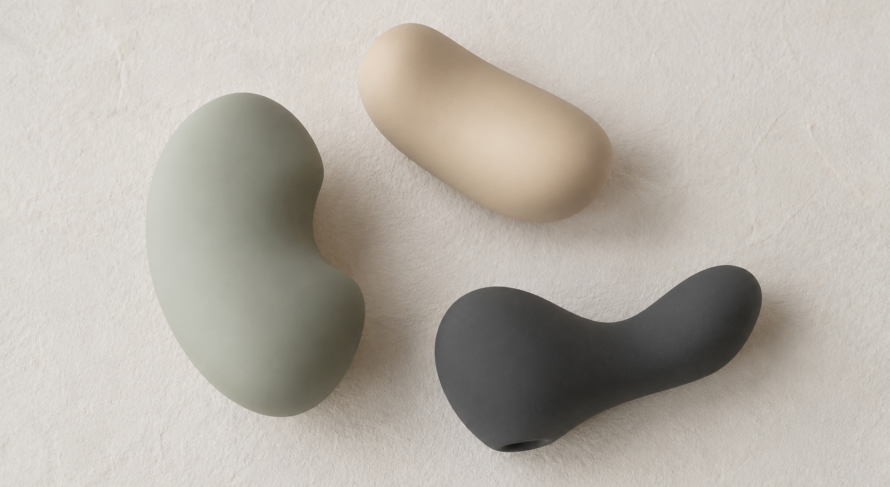
Given that most premium toys are silicone — including nearly everything in our vibrators and stimulators ranges — a good water-based lubricant is the safer default for most collections.
Why oil and latex is a safety issue, not a preservation issue
This is the one rule with real consequences. Oil degrades latex rapidly — measurably within minutes, not hours. A latex condom exposed to oil-based lubricant can lose most of its strength almost immediately, and failure often happens without any visible sign beforehand.
This includes things people don’t think of as lubricant: coconut oil, massage oil, body lotion, petroleum jelly, and many oil-containing moisturisers.
If you’re using latex condoms, use water-based or silicone-based lubricant. There is no version of this rule with exceptions.
Non-latex condoms behave differently — polyurethane is generally oil-tolerant, polyisoprene generally is not. Check the packaging rather than assuming.
Materials beyond silicone
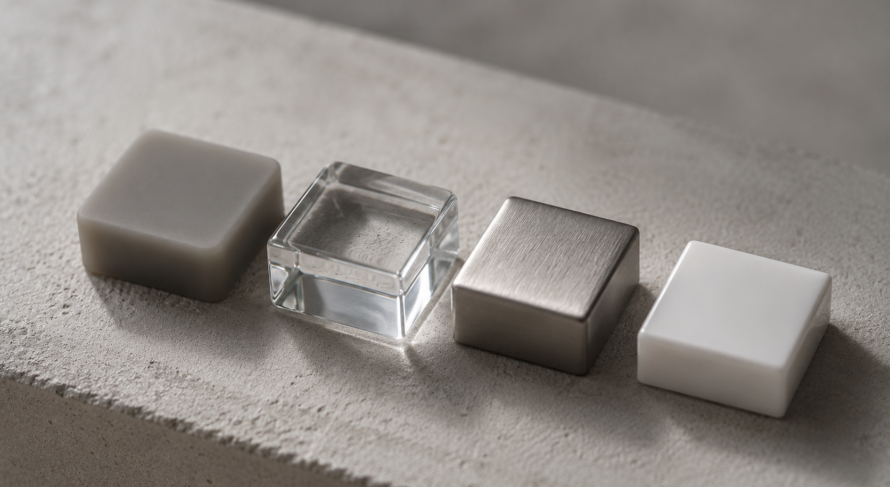
Glass and stainless steel — non-porous, non-reactive, compatible with everything. If you own glass or steel pieces, silicone lubricant is an excellent pairing: long-lasting, and no compatibility concern.
ABS plastic — the hard plastic used in many bullet vibrators and controls. Compatible with all lubricant types.
TPE and TPR — softer, more flexible, and porous. Use only water-based lubricant, clean thoroughly after every use, and replace these more frequently than silicone. Porous materials cannot be fully sterilised.
Coated or plated finishes — check manufacturer guidance; coatings vary and some react to silicone.
Choosing without overcomplicating it
If you want one lubricant that works with everything you own, buy a good water-based one. It’s compatible with every material and every condom type, and the only cost is reapplication.
If you want longevity and own glass or steel, silicone-based is worth having alongside — particularly for use in water, where water-based simply washes away.
If you want massage oil for its own sake, keep it separate from anything involving latex, and treat it as an external product.
What to look for on a label, regardless of type: glycerin-free if you’re prone to thrush, paraben-free as a general preference, pH around 3.8–4.5 for vaginal use, and osmolality below 1200 mOsm/kg if listed — high-osmolality products can irritate delicate tissue.
Storage and shelf life
Lubricants expire, and most people don’t check. Water-based formulations typically last one to three years unopened; once opened, aim to use within twelve months. Store away from heat and direct sunlight.
Discard anything that has separated, changed colour, developed an unusual smell, or altered noticeably in texture. The cost of replacing a bottle is negligible against the discomfort of using something that has degraded.
The short version
Water-based works with everything. Silicone-based lasts longer but not with silicone toys. Oil never goes near latex.
Everything else is preference.