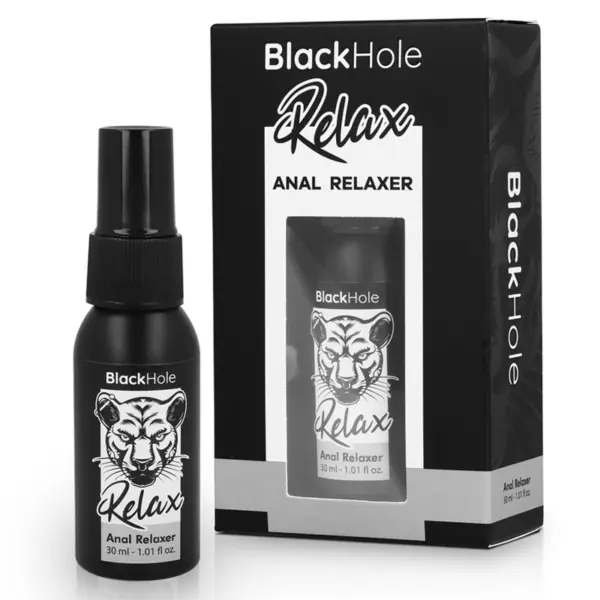
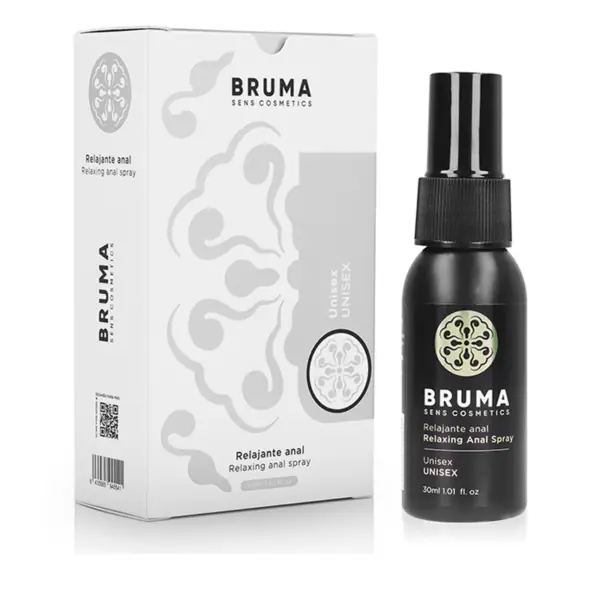
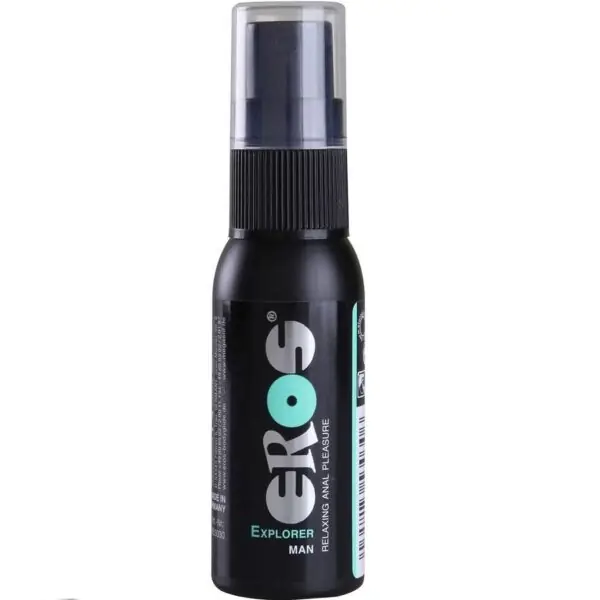
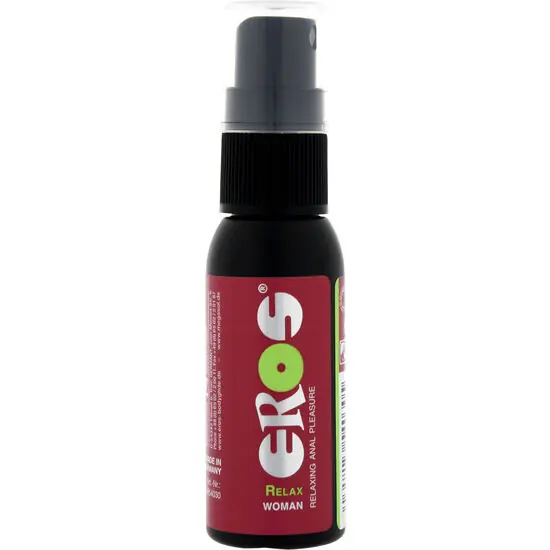
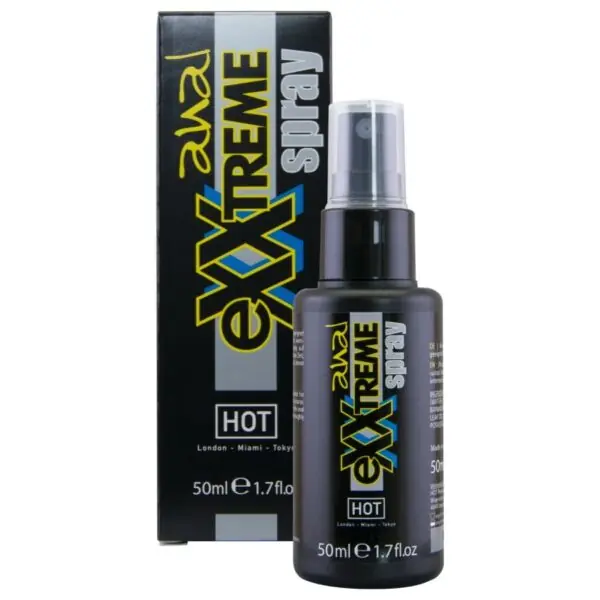
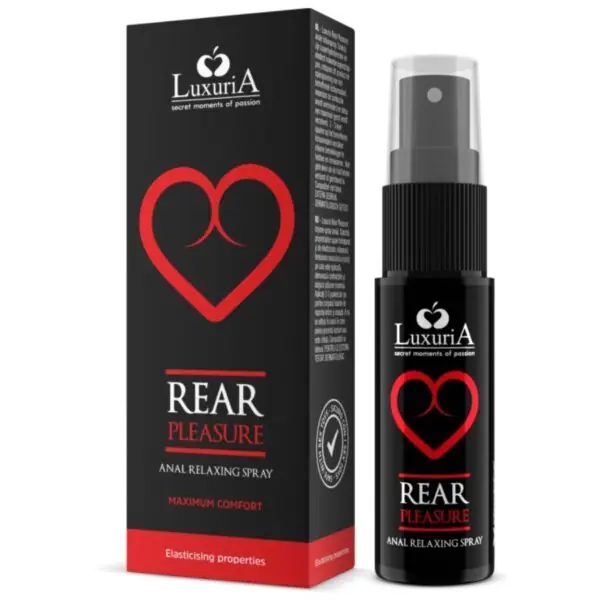
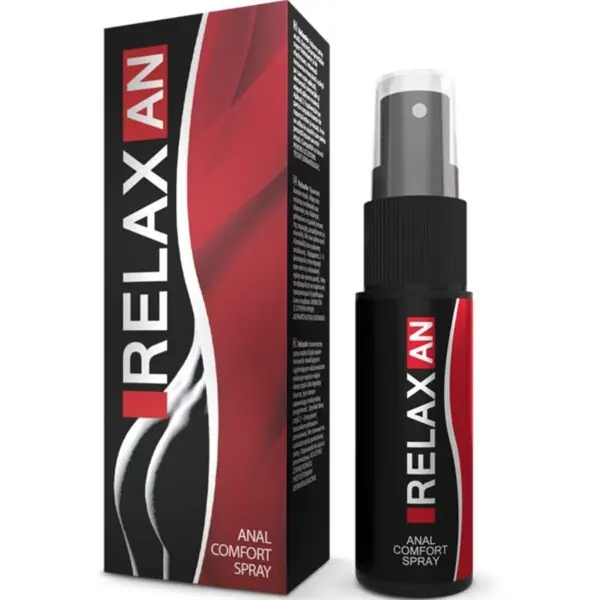
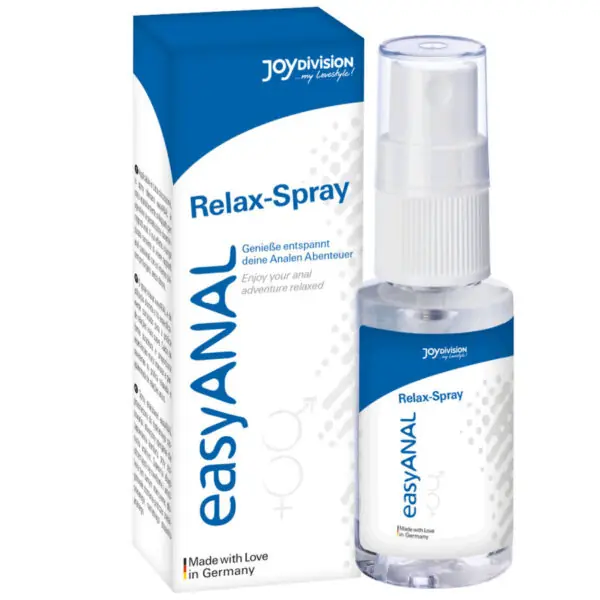
An anal relaxing spray is a topical product applied to the anus and the surrounding muscle a few minutes before play. The aim is to reduce tension and take the edge off sensitivity, so that penetration feels less abrupt. It is a comfort product, not a shortcut.
A relaxant is not a lubricant
This is the most common mix-up on this page, and the most consequential.
A lubricant does one thing: it reduces friction. An anal relaxing spray or gel is aiming at something different — easing muscle tension and dulling the sharpness of first contact. Most relaxing sprays provide very little glide on their own, and the anus produces no natural lubrication of its own, so a relaxant used alone leaves you with the friction problem entirely unsolved.
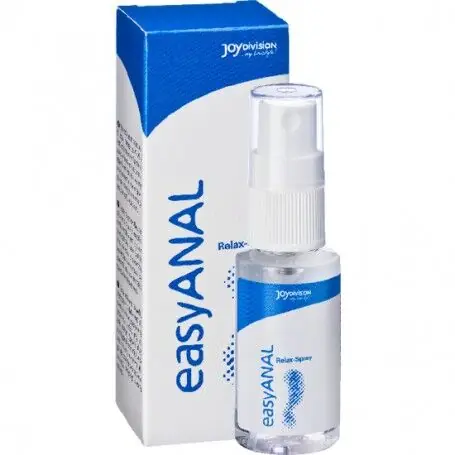
So the honest answer is that you almost always need both. Use the relaxant first, then a generous amount of proper lubricant on top. Sets such as the Joydivision Easyanal relax spray exist alongside the Easyanal starter set, which pairs the spray with a lubricant for exactly this reason.
Be sceptical of strong claims: no spray substitutes for going slowly, and none makes anal play risk-free.
Spray, gel or cream
The format changes how the product is applied and where it stays, more than what it does.
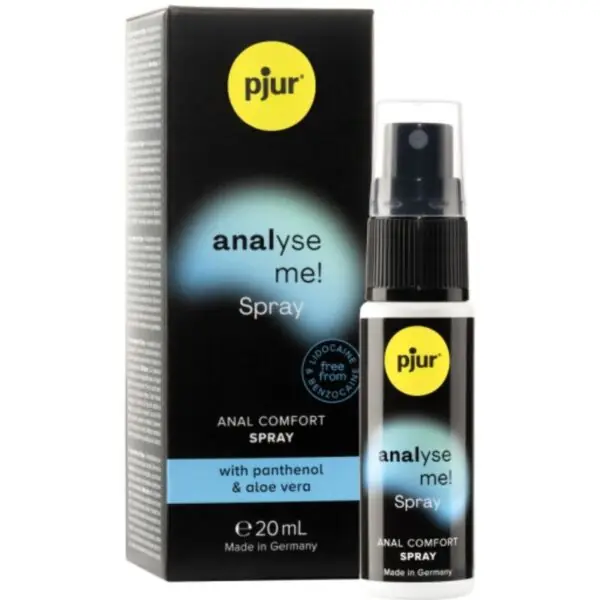
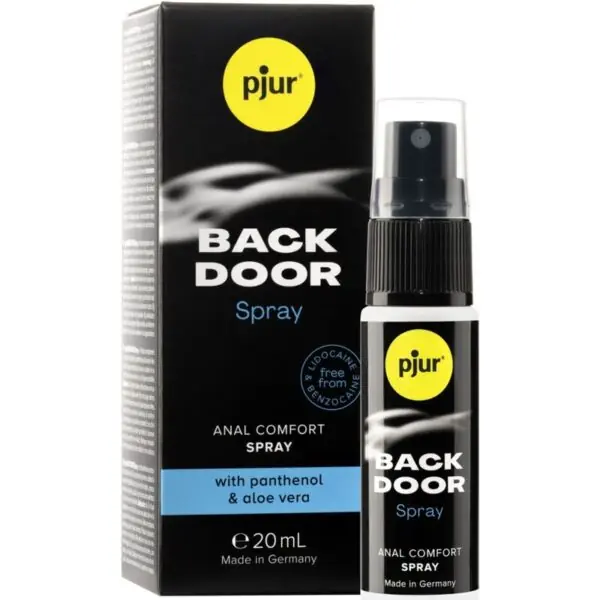
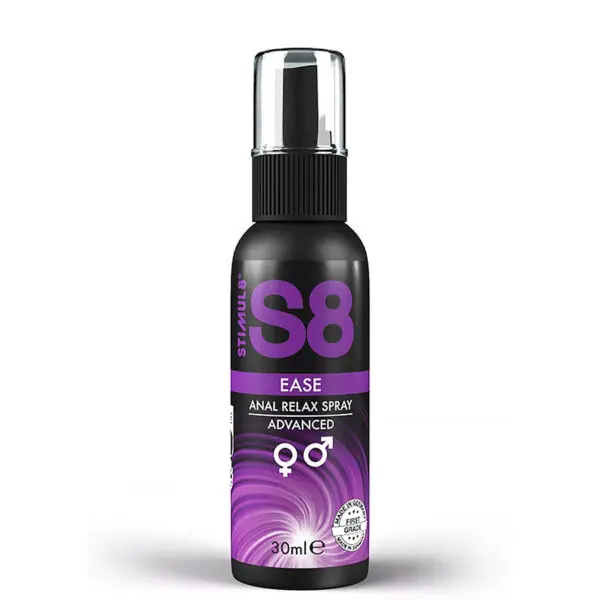
A spray covers the outside evenly and quickly, with no need to touch the area. It is the lightest option and the easiest to apply the right amount of. Everything in this category is a spray: the Pjur Analyse Me comfort spray, the Pjur Back Door relaxing spray, the Intimateline Relaxan, the Stimul8 S8 Ease and the unisex Bruma relaxing spray among them. The Eros Relax woman and Eros Explorer man sprays are the same idea in gendered packaging; the formulas are close enough that the choice is presentational.
A serum sits between the two. Rather than numbing, it forms a light protective film that reduces friction where it is applied — the approach taken by the Pjur Analyse Me serum and the Back Door protective serum.
A gel or cream is thicker, stays where you put it and can be used internally as well as externally, which makes it the better choice when you want the product to double as glide. Those live one shelf across, under anal lubricants with relaxant — if you were searching for an anal relaxing gel rather than a spray, that is the page you want.
Ingredients: what to look for, and what to avoid
Most work through skin-conditioning and soothing ingredients rather than drugs: panthenol, aloe vera, jojoba, glycerin and plant extracts.
The ingredients worth thinking hard about are the local anaesthetics: lidocaine and benzocaine, the active ingredients in products marketed as anal numbing sprays.
The problem with heavy numbing is not that it fails. It is that it works too well, on the wrong thing. Pain during anal play is information: it tells you that you are going too fast, that there is not enough lubricant, or that the angle is wrong. That signal is the main thing protecting tissue that is thin and does not stretch quickly. Numb it away and you can keep going through tearing without noticing until afterwards. The numbing also transfers to a partner, and benzocaine in particular carries a small risk of allergic reaction.
Encouragingly, the better products here treat anaesthetic-free as a selling point. Pjur states plainly that its Back Door and Analyse Me lines contain no lidocaine or benzocaine, achieving their effect through panthenol and a protective film instead, and Intimateline Luxuria Rear Pleasure says the same. Read the label, and treat "maximum strength numbing" as a warning rather than a feature.
Materials and condoms
The base determines what the product is safe with, and the rule is the same as for any lubricant. Water-based is compatible with everything: latex condoms and silicone, glass and steel toys alike. Silicone-based lasts longer and is fine with condoms, but degrades the surface of silicone toys. Oil-based should never meet a latex condom, which it weakens to the point of failure.
Since these sprays are used exactly where condoms and toys are, check the bottle rather than assume. Our full guide, Which Lubricant for Which Toy, sets out the combinations, and the lubricants range is sorted by base.
Using one properly
Apply a small amount to the outside and wait. Most need five to ten minutes to do anything at all, and the wait is not optional: applying more because nothing has happened yet is the usual mistake.
Patch test first, on the inside of the wrist or elbow, at least a day before. This is genital-adjacent skin and reactions are unpleasant. If there is any stinging, burning or rash, stop.
Then add lubricant, and go slowly, with a small plug before anything larger. Stop if there is pain, and never use one of these products to push through pain — that is exactly the failure mode the section above describes.
Frequently asked questions
Do anal relaxing sprays actually work?
They can make first contact more comfortable, mainly by soothing the skin and reducing surface sensitivity. The effect is modest. Relaxation, patience and plenty of lubricant do considerably more.
Is an anal numbing spray safe?
Numbing products remove the pain signals that tell you to stop, so injury can happen unnoticed. If you use one, keep it light and external. Sprays that state they contain no lidocaine or benzocaine are the safer choice.
Do I still need lubricant?
Yes. A relaxant is not a lubricant and provides little glide. Apply the relaxant first, wait, then use a generous amount of lubricant.
Can I use these with condoms and toys?
Yes, if the base matches: water-based is safe with everything, silicone-based harms silicone toys, and oil-based damages latex condoms. Check the bottle, or see our compatibility guide above.
Browsing more widely: anal toys and the full relaxing gels and lubricants range.
12 products