Toy Care 101: Why Cleaning Properly Actually Matters
It’s the step almost everyone skips, or does halfway, or thinks about only after something’s already gone wrong. Cleaning intimate products doesn’t come with the same built-in reminder system as, say, washing your hands — there’s no obvious moment that prompts it, and the consequences of skipping it aren’t always immediate. But proper cleaning is one of the simplest things you can do to protect both your health and the lifespan of products that, in many cases, weren’t cheap to begin with.
This isn’t about being precious or overly clinical. It’s about understanding what’s actually at stake, and building a habit simple enough that it survives contact with real life.
What’s Actually at Risk
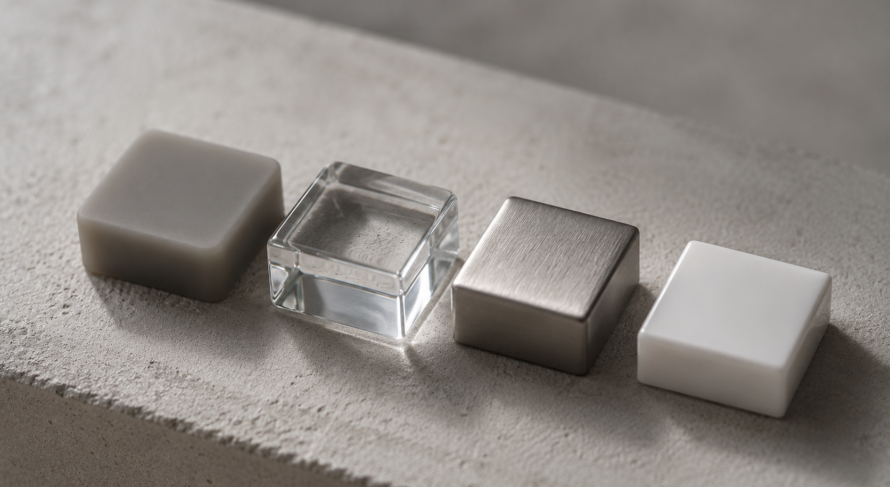
Porous and non-porous materials behave very differently once they’ve been used. Silicone, glass, and stainless steel — non-porous materials — don’t harbor bacteria the way porous materials can, but they still need cleaning after every single use, not just “when it looks like it needs it.” Bodily fluids, natural bacteria, and residual lubricant left on a surface create an environment where bacteria can multiply between uses, and that risk applies regardless of how the product looks or smells.
Shared use between partners raises the stakes further — cleaning between partners, and ideally using a barrier method like a condom on shared products, meaningfully reduces the risk of transmitting bacteria or infections. This matters just as much for wellness-focused products like kegel balls as it does for anything else, since they’re inserted and hold direct, prolonged contact.
There’s also a simpler, less clinical reason cleaning matters: leftover lubricant and residue left to dry on silicone can degrade the material over time, leading to a tacky or sticky texture that never fully comes off. A product that would’ve lasted years with proper care instead starts breaking down within months.
Why “Just Soap and Water” Isn’t Quite Enough
Regular hand soap and dish soap are often formulated with additives, fragrances, or moisturizing agents that aren’t intended for the more delicate, porous-adjacent surfaces some toys have — and repeated exposure can degrade certain materials faster than a dedicated cleaner would. This is where a purpose-made antibacterial toy cleaner earns its place: formulated specifically to be effective against bacteria while being gentle enough for repeated use on silicone and other common materials, without the degrading effect some household soaps have over time.
Shunga’s Gentle Toy Cleaner takes a similar approach with a slightly different formulation — a gentle foaming cleanser designed to be quick enough for a genuine after-every-use habit, not just an occasional deep clean. The lower the friction of the actual cleaning process, the more likely it becomes something you do every time rather than every few uses.
A Cleaning Routine That Actually Survives Real Life
The routine that sticks is almost always the simplest one. Immediately after use — before setting the product down, before getting distracted — a quick spray or application of cleaner, a rinse with warm water, and a pat dry with a clean towel takes under a minute for most products. Waiting until later, or until “next time,” is exactly how the habit quietly disappears.
For app-connected or motorized devices, like the LELO Luna Smart Bead, avoiding full submersion (unless the product is explicitly rated for it) and instead wiping down with a cleaner-dampened cloth protects the internal electronics while still keeping the surface properly clean.
Storage matters almost as much as the cleaning itself. A product cleaned properly but then tossed loose into a drawer alongside other items can pick up lint, dust, or cross-contamination from other materials. A simple storage pouch — many products, including most from LELO and Fun Factory, ship with one — keeps things both clean and protected between uses.
Signs a Product Needs to Be Retired, Not Just Cleaned
Cleaning extends lifespan significantly, but it doesn’t make a product last forever. Silicone that’s developed a persistent tacky texture despite regular cleaning, visible cracks or tears, or any discoloration that doesn’t wash away are all signs the material itself has started to break down — at that point, no amount of cleaning restores it to a genuinely hygienic state, and it’s worth retiring rather than continuing to use it. This is one of the more overlooked reasons proper cleaning matters from day one: it’s not just about hygiene between uses, it’s about extending the point at which a product needs replacing at all.
How Often to Deep Clean vs. Quick Clean
Not every clean needs to be identical. A quick clean — the spray, rinse, and dry described above — belongs after every single use, no exceptions. A deeper clean, using warm water and a slightly longer soak with cleaner where the material allows it, is worth doing weekly for products in regular rotation, or before long-term storage. For fully waterproof silicone or glass products, an occasional wash in warm (not boiling) water with a mild, product-safe cleaner helps clear any residue that a quick wipe might miss, particularly in seams, textured surfaces, or around a base.
Frequently Asked Questions
Can I use boiling water to sterilize silicone toys?
Only for 100% pure, solid silicone products with no motor, batteries, or electronic components — and even then, check the manufacturer’s guidance first, since not every silicone-labeled product is rated for boiling. For anything motorized or app-connected, boiling will damage the internals; a cleaner-dampened wipe is the safer routine.
Is it safe to share products between partners if I clean them each time?
Cleaning meaningfully reduces risk but doesn’t eliminate it entirely. For shared use, pairing a proper clean with a barrier method like a condom offers a stronger layer of protection than cleaning alone, particularly for products used internally.
How long does a bottle of toy cleaner typically last?
This depends heavily on frequency of use and product size, but for regular use (every few days), a standard bottle typically lasts several months. Since a proper clean uses only a small amount per session, it’s a low-cost habit relative to the products it protects.
Can old, degraded silicone be restored?
No — once silicone has developed a persistent tacky texture, visible cracks, or lasting discoloration, the material itself has broken down at a structural level. No cleaning product reverses that; at that point, it’s a sign to retire the item rather than keep cleaning it.
Do glass and stainless steel toys need different care than silicone?
They’re actually easier to care for in some ways — being fully non-porous and often rated for boiling water sterilization — but they still benefit from a dedicated cleaner for everyday use, and should be checked periodically for chips or scratches, which can compromise the smooth surface those materials are chosen for.
The Habit Worth Building
None of this requires a complicated routine or a shelf full of products. A single dedicated cleaner, used consistently right after each use, covers the vast majority of what actually matters. The goal isn’t perfection — it’s consistency simple enough to survive being tired, distracted, or in a hurry, since those are the exact moments the habit is most likely to get skipped.
If you’re building a broader wellness routine — say, incorporating kegel balls into a regular practice, or working on pelvic floor health more generally — proper cleaning is worth treating as part of that same habit from the very start, rather than an afterthought added in later once something’s already gone wrong. The products designed to support your wellness only do their job properly when they’re cared for the same way.
Further reading
For readers who want to go deeper, these organisations publish evidence-based educational material on sexual health: