Do Pheromone Perfumes Work? What 231 Bottles Actually Contain
Short answer: there is no good evidence that a pheromone perfume will make a stranger attracted to you. The research that gets quoted in marketing copy is small, old, and has largely failed to replicate. If a bottle promises that someone will be drawn to you against their will, that promise is not supported.
That is the honest starting point. It is also not the whole story, because these products sell steadily and a lot of people who buy them are happy with what they got. This guide explains what is actually in them, what the claims rest on, and how to choose one without being misled — using the 231 pheromone products in our own catalogue as the evidence. Every figure below comes from reading those product pages in September 2026; the catalogue moves, so treat the counts as a snapshot of that check rather than a permanent fact.
What is a pheromone perfume?
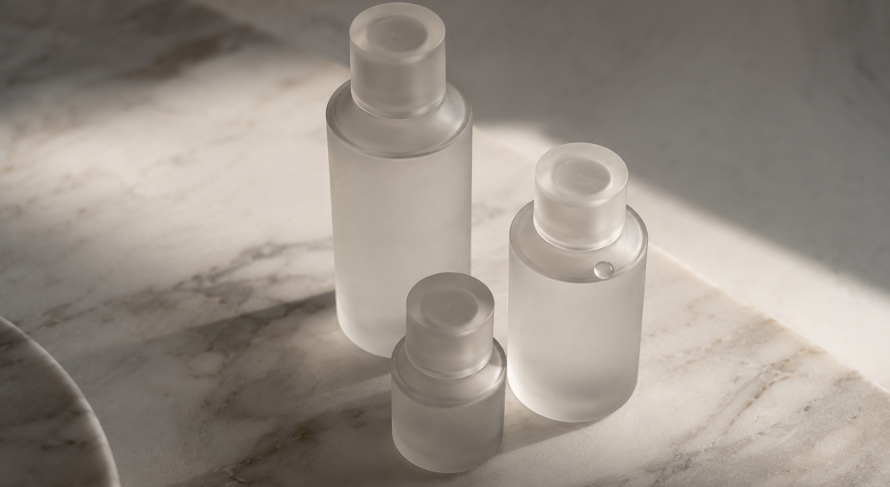
A pheromone perfume is a scented product that has synthetic compounds added to it, sold on the claim that those compounds influence attraction. In practice it is a fragrance first: an oil, a spray or a roll-on that you wear the way you would wear any other scent.
Across the 231 products we stock, the formats break down like this:
- Oils — 115 products. Usually smaller bottles, applied to pulse points.
- Sprays — 53 products. Closer to a conventional eau de toilette.
- Roll-ons — 9 products. Mostly travel sizes.
The most common bottle size is 50 ml (63 products), followed by 30 ml (24) and 20 ml (22). There are also 38 products at 1 ml, which are single-use samples rather than full bottles — worth knowing before you order, because the price looks unusually low.
Is pheromone perfume real?
It depends which half of the question you mean, and the two halves have very different answers.
The compounds are real. Androstenol, androstenone, estratetraenol, androstadienone and copulins all exist, are all manufactured, and are genuinely added to some of these products. Twenty-nine of the 231 bottles we stock name one on the label. Those are real ingredients in a real bottle, not a marketing invention.
The effect on other people is not established. That is the part that fails. No human pheromone has been identified and accepted across the field, and the studies that get cited have mostly not held up when repeated. So a bottle can be entirely honest about containing androstenol and still be making an unsupported promise about what that androstenol will do.
The useful way to hold both facts at once: you are buying a fragrance with an unverified additive. If the fragrance is good, you have bought something good. If you are buying the additive, you are buying a hypothesis.
Do pheromone perfumes actually work?
Not in the way the marketing implies. Human pheromone research has a long history of promising early findings that later studies could not reproduce. Humans do not have a functioning vomeronasal organ in adulthood — the structure that detects pheromones in other mammals — and no human pheromone has been definitively identified and accepted across the field.
What is better supported is narrower and less dramatic: scent affects mood, memory and self-perception. If a fragrance makes you feel more confident, that changes how you carry yourself, and other people notice that. This is a real effect. It is just not the effect described on the box. It is also the same mechanism behind any fragrance you like wearing, which is worth remembering when you compare prices.
So the useful way to read a pheromone perfume is: you are buying a fragrance, and the pheromone content is an unverified extra. Judge it on whether you like how it smells and how long it lasts.
Which pheromones are actually in these products?
This is the part almost no buying guide answers, because it requires reading the labels rather than the advertising. We checked all 231 products in our catalogue for a declared compound. The result is the single most useful thing on this page:
| Compound declared | Mentions |
|---|---|
| Androstenol | 11 |
| Estratetraenol | 12 |
| Androstenone | 6 |
| Androstadienone | 2 |
| Copulins | 2 |
| Total mentions | 33 |
| Products naming at least one | 29 of 231 |
The two totals differ for a simple reason: four products name two compounds each, so 33 mentions are spread across 29 distinct bottles. If you add the column up and expect it to equal the number of products, it will not, and that is the arithmetic rather than an error.
Only 29 products out of 231 — about one in eight — say which compound they contain. The remaining 202 use the word “pheromone” without specifying anything further. That does not necessarily mean the bottle is empty, but it does mean you cannot verify the claim, and neither can we.
One more wrinkle worth knowing, because it shows how loose the labelling is: four of those bottles spell it “estratraenol”, dropping a syllable from estratetraenol. We counted them, because a misspelling on a label is still a declaration. It is not a reassuring sign about how carefully the rest of the label was written.
A further 37 products in the same category make no mention of pheromones at all. They are conventional perfumes that sit alongside the pheromone range. If specifying matters to you, check the product description before ordering rather than assuming the category name applies to everything in it.
The compounds themselves are the ones that appear in the contested literature. Androstenol and androstenone are androgens found in human sweat. Estratetraenol is an oestrogen-like steroid. Copulins are fatty acids. All of them have been studied; none of them has produced a result robust enough to settle the question.
What do they actually smell like?
Since you are buying a fragrance, this matters more than the compound list. We read the scent descriptions across all 231 products and counted which note families come up:
| Note family | Products mentioning it |
|---|---|
| Floral (jasmine, rose, neroli, ylang) | 123 |
| Woody (sandalwood, cedar, vetiver, patchouli) | 118 |
| Citrus (bergamot, lemon, mandarin) | 111 |
| Amber | 76 |
| Vanilla | 63 |
| Musk | 60 |
| Fresh / aquatic | 51 |
| Spicy (pepper, cinnamon, cardamom) | 43 |
The families overlap — most fragrances name several — and 167 of the 231 products describe their scent in these terms at all. The remaining 64 say little or nothing about how they smell, which tells you where the brand put its effort.
The practical read: this is a warm, sweet-leaning category. Floral, woody and citrus dominate the top notes, with amber, vanilla and musk doing the work in the base. If you already know you dislike sweet ambery scents, a large part of this range will not suit you no matter what the pheromone claim says.
What about pheromone aftershave?
People search for this, so it is worth answering plainly: we do not stock anything sold as a pheromone aftershave, and as far as we can tell the category barely exists. Aftershave in the strict sense is a post-shave skin product — an astringent or balm — and none of the 231 products here is formulated as one.
What people usually mean by the term is a pheromone fragrance marketed to men. That does exist: 96 products in the men’s range, mostly sprays and oils in the same formats described above. If you searched for “pheromone aftershave” and landed here, that is the shelf you were looking for.
Do not apply any of these to freshly shaved skin, whatever they are called. Alcohol-based sprays on broken skin sting, and the fragrance load is higher than a real aftershave would be.
What is the difference between a pheromone perfume and a pheromone cologne?
Nothing chemical. The words describe intended market, not formulation. In our catalogue 40 products use “cologne” in their description, and they are distributed across both the men’s and women’s ranges — the term is used loosely.
Traditionally “cologne” meant a lower fragrance-oil concentration than “perfume”, which would make it lighter and shorter-lived. That distinction is not reliably applied here. If longevity matters to you, the oil-based products generally last longer on skin than the sprays, regardless of what the bottle is called.
How do you use one?
On skin, not on clothing. These products are designed to interact with body heat and your own scent, and fabric prevents that. Oils in particular can leave marks on fabric.
Apply to pulse points — wrists, neck, behind the ears — where skin is warmest. Start with less than you think you need. Two things are true at once: your own nose adapts to a scent within minutes and stops registering it, while everyone else still smells it at full strength. Reapplying because “it wore off” is the most common way people end up wearing far too much.
If you already have a signature fragrance, the oils layer under it more comfortably than the sprays do.
What to look for if you buy one
Four practical checks, in order of how much they matter:
- Read the scent notes, not the attraction claims. You will wear this because you like it or you will not wear it at all.
- Check the volume. A very low price usually means a 1 ml sample. Useful for testing, not a bottle.
- Check whether a compound is named. One in eight products does. If the claim matters to you, buy from that eighth.
- Ignore any product that promises a specific outcome in another person. Nothing sold as a fragrance can deliver that, and a brand willing to claim it is telling you something about its other claims too.
Prices across our range go from a few euros for a small sample to several hundred for premium sets, with most options in the lower price range. The expensive end is conventional luxury perfumery pricing rather than a stronger pheromone concentration.
And if the reason you are here is that desire itself has gone quiet rather than that you need a new scent, a bottle is the wrong tool. Low libido has causes worth understanding, and desire changes shape in a long relationship for reasons no fragrance addresses.
Frequently asked questions
Do pheromone perfumes work on everyone?
No product has been shown to reliably influence attraction in anyone, so the question of individual variation does not really arise. What does vary between people is skin chemistry, which changes how a fragrance smells on you — that part is real and is worth testing before committing to a full bottle.
Are pheromone perfumes safe?
They carry the same considerations as any fragrance: possible skin sensitivity, and the usual advice to patch-test if you react to perfumes generally. They are cosmetics, not medicines, and are not intended to have any physiological effect on the wearer.
How long does pheromone perfume last?
The same as comparable fragrances — typically a few hours, with oil-based formulations outlasting sprays. Nothing about the pheromone content extends wear time.
Can men and women use the same product?
Yes. The men’s and women’s labels reflect scent profile and marketing, not a chemical restriction. Several products in the range are sold as unisex.
Is it worth buying one?
If you want a fragrance you enjoy and are relaxed about the pheromone claim being unproven, yes — plenty of these are well-made scents at reasonable prices. If you are buying specifically because you expect it to change how others respond to you, the evidence does not support that, and we would rather tell you now than have you find out after.