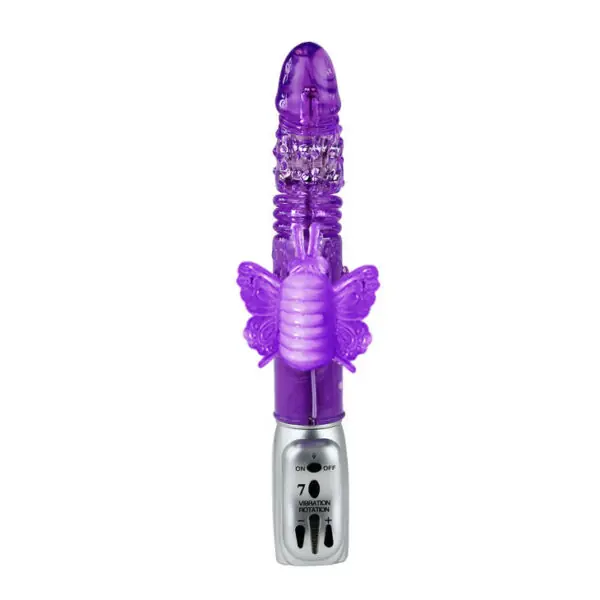
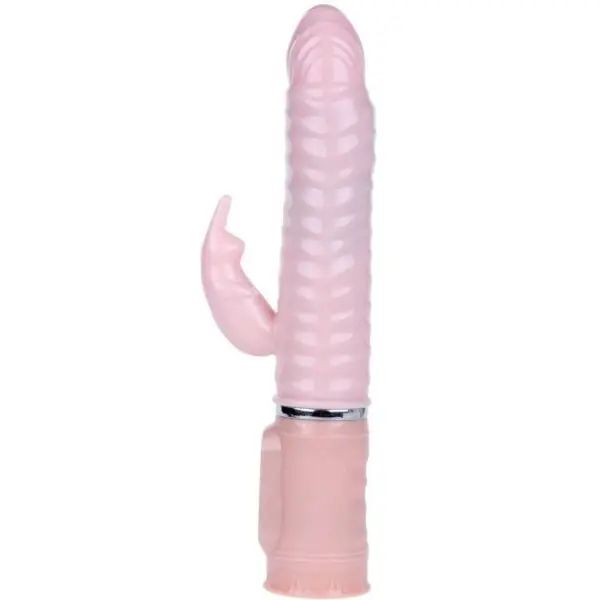
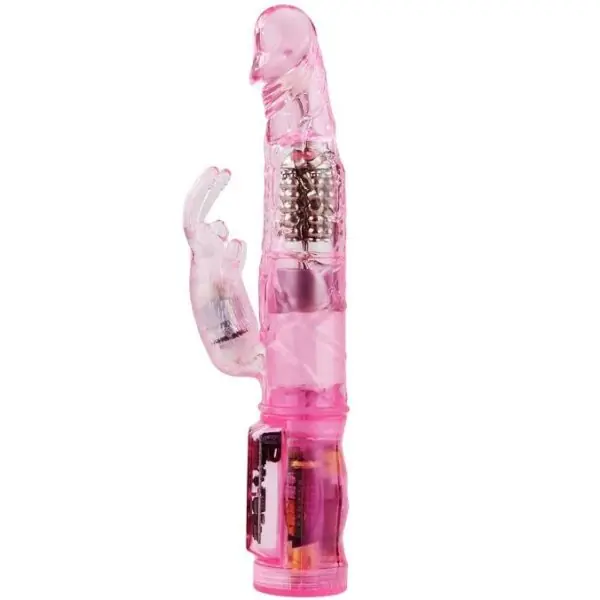
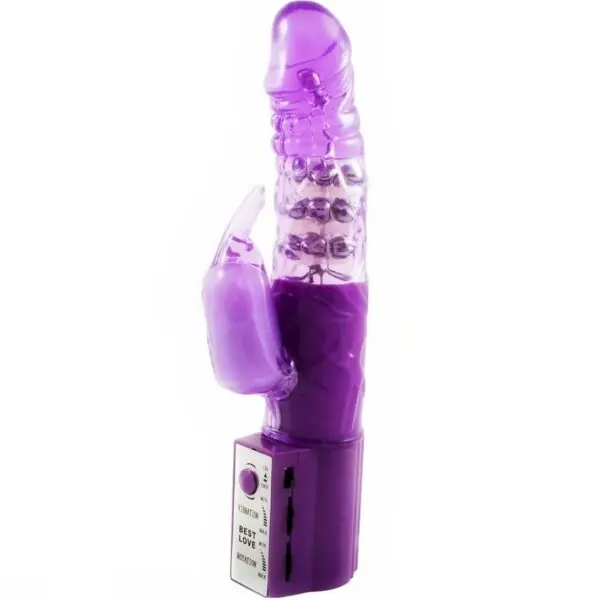
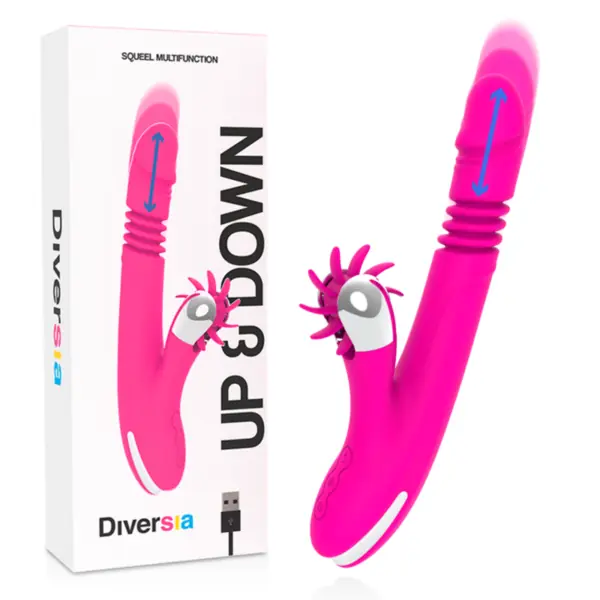
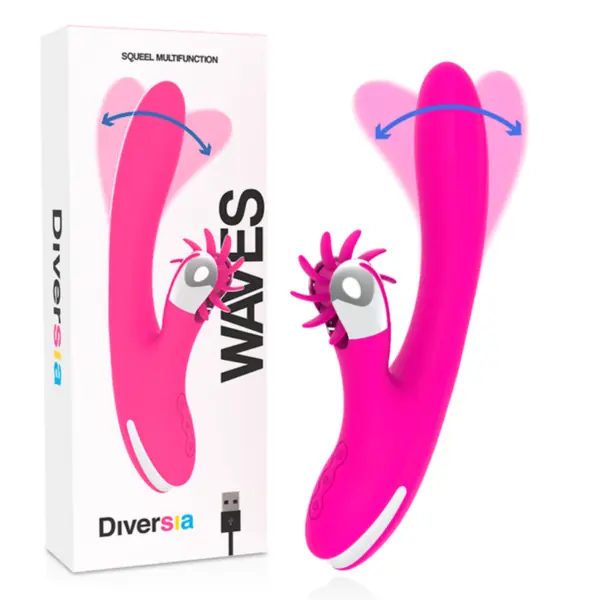
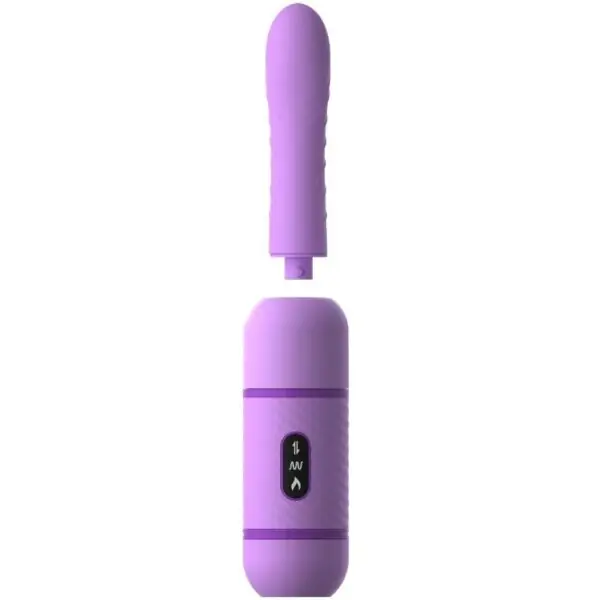
"Hi-tech" covers four genuinely different technologies, and the label alone tells you almost nothing. What separates these products from an ordinary vibrator is that most of them do something other than vibrate — or vibrate in response to something other than a button.
The four technologies
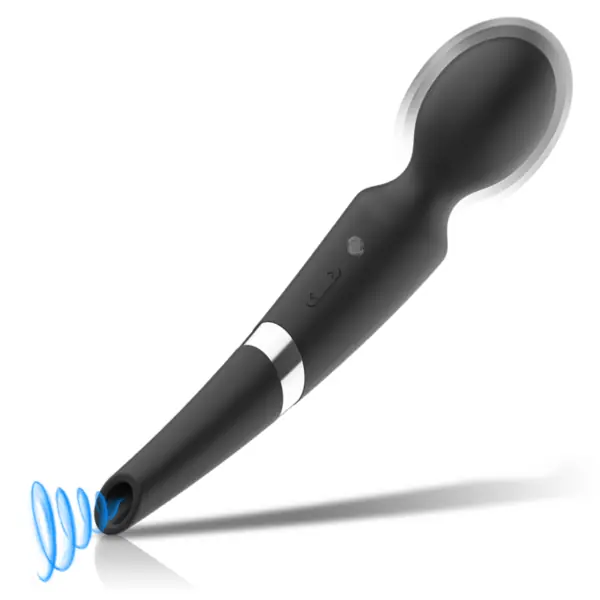
Pressure waves
Not vibration at all. A chamber over the clitoris pulses air, producing suction and release rather than oscillation. It is the single biggest change in this category in the last decade, and the sensation is unlike anything a motor against skin produces.
Womanizer and Satisfyer built their reputations on it. The dedicated shelf is air stimulators.
App connection
The toy pairs with a phone over Bluetooth. In practice that buys three things: more patterns than buttons allow, the ability to design your own, and — on some models — control from another location.
Satisfyer Connect and LELO account for the largest share here.
Interactive
A step beyond an app: the toy responds to video content or to a second device rather than to a preset. Kiiroo Onyx+ & Pearl 2+ is the clearest example, a two-device set where each responds to the other.
The Kiiroo control adapter is the cheapest thing on this page and only useful inside that system.
Motion rather than vibration
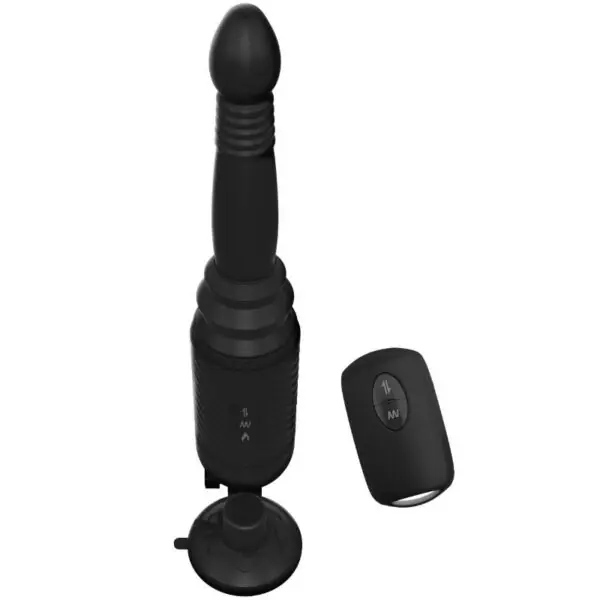
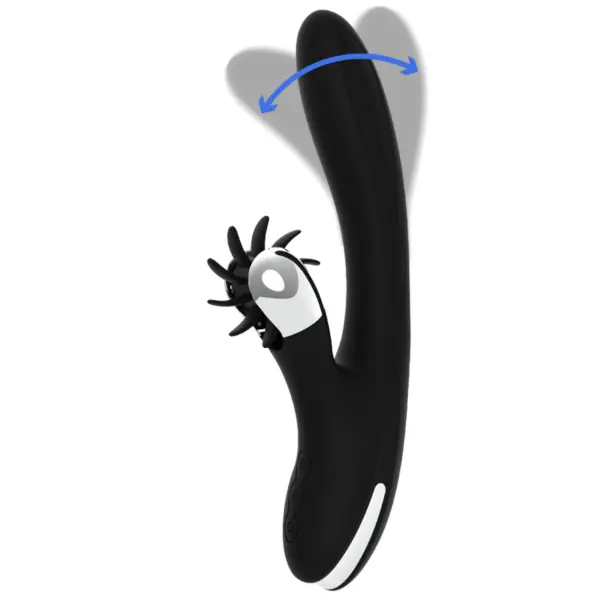
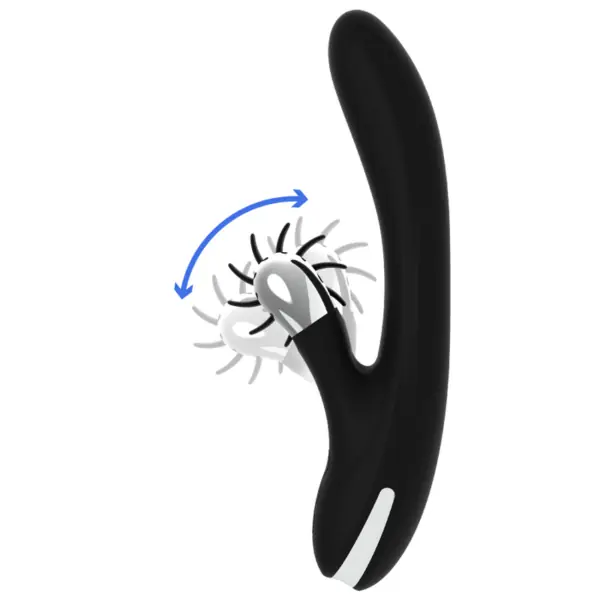
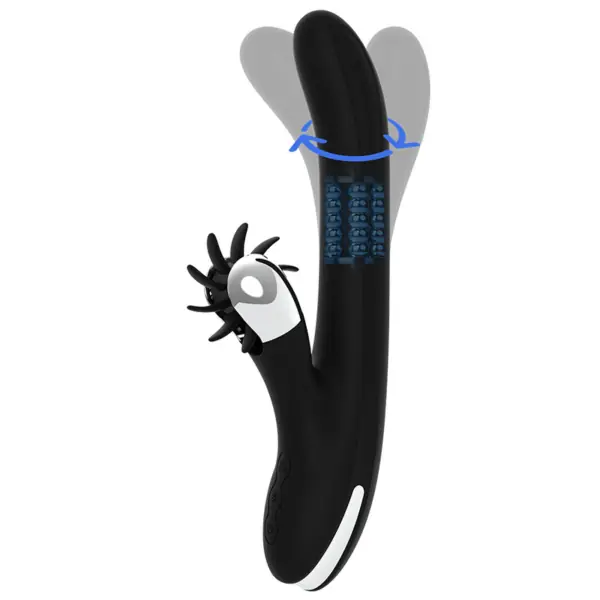
Some devices move instead of buzzing — a shaft that flexes, taps or rolls. LELO Soraya Wave is LELO's wave model, which produces a come-hither motion rather than a vibration.
The affordable end
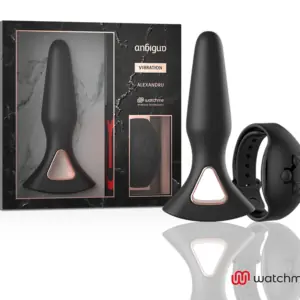
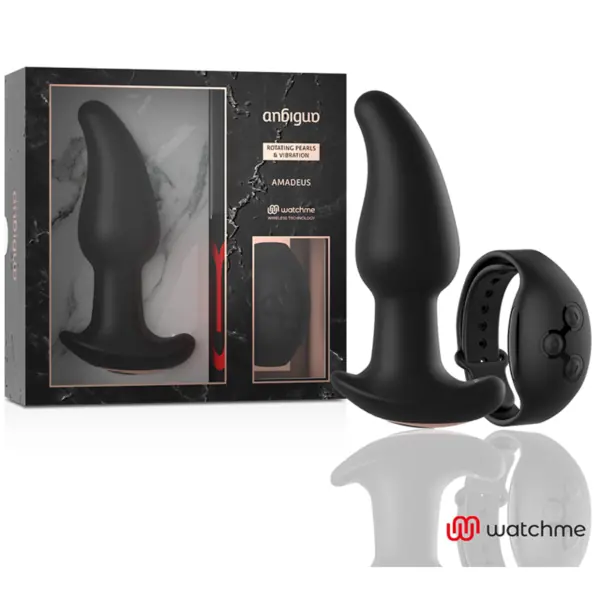
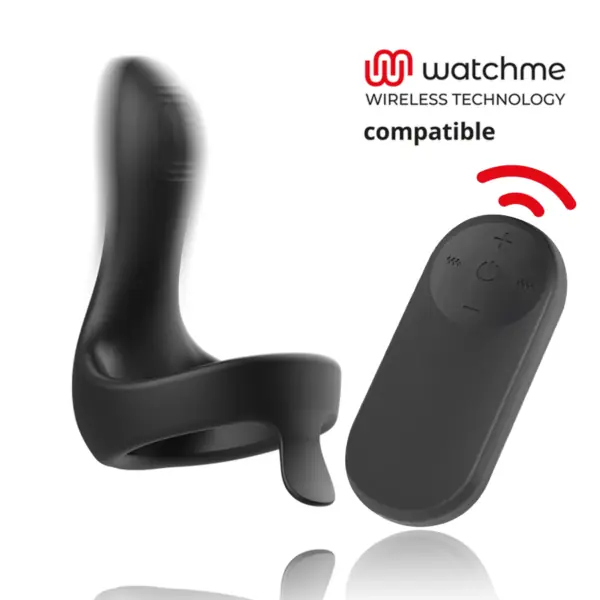
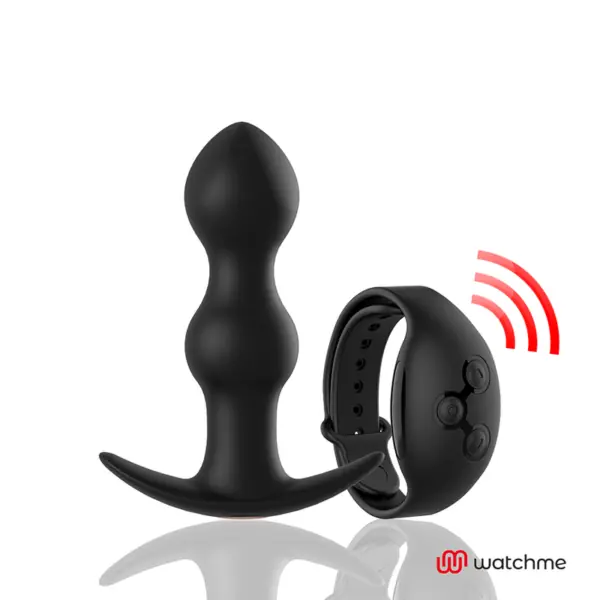
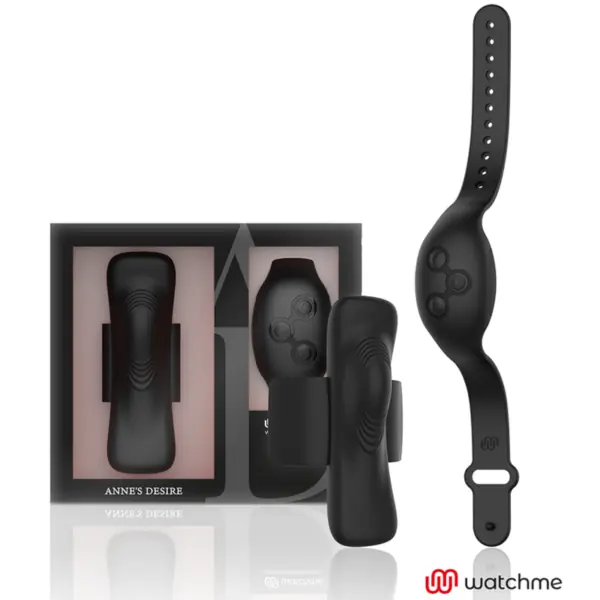
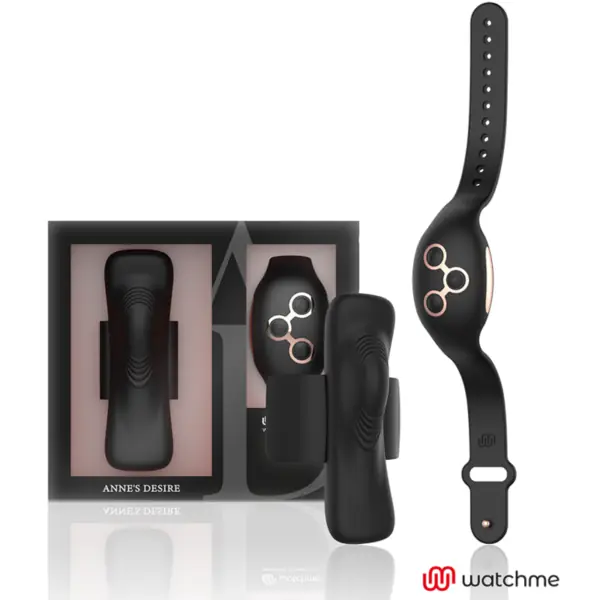
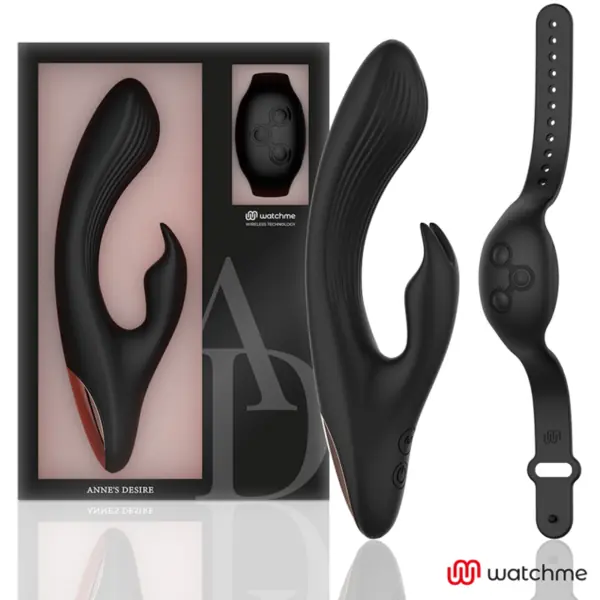
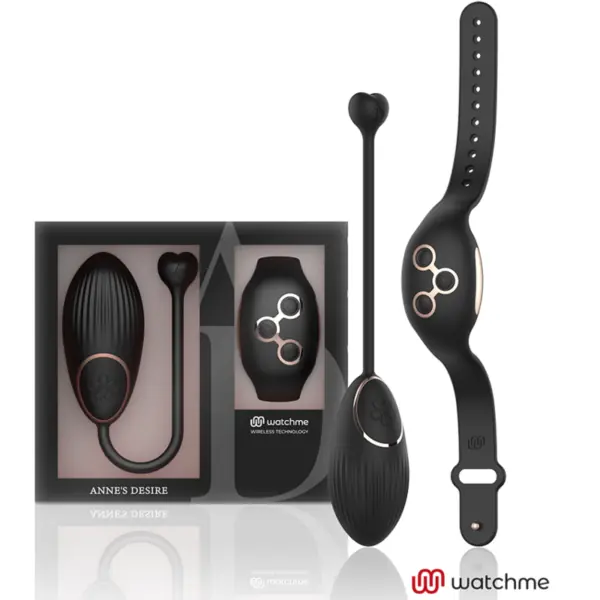
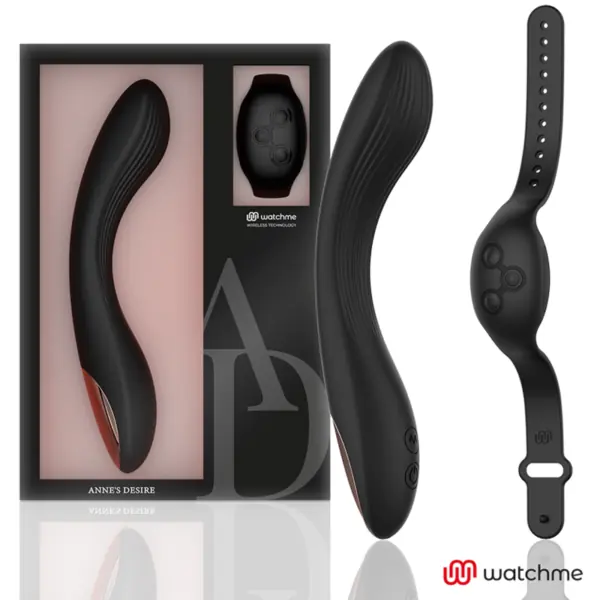
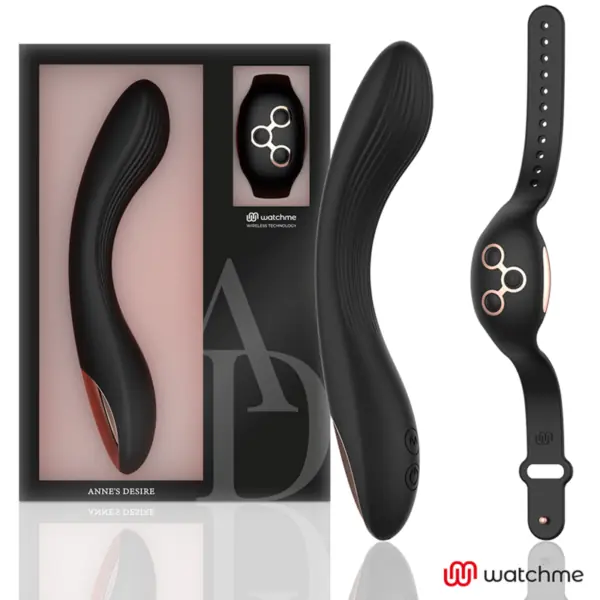
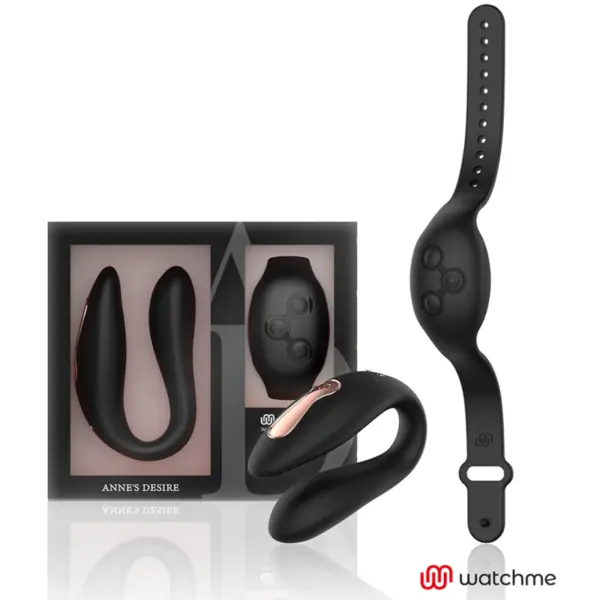
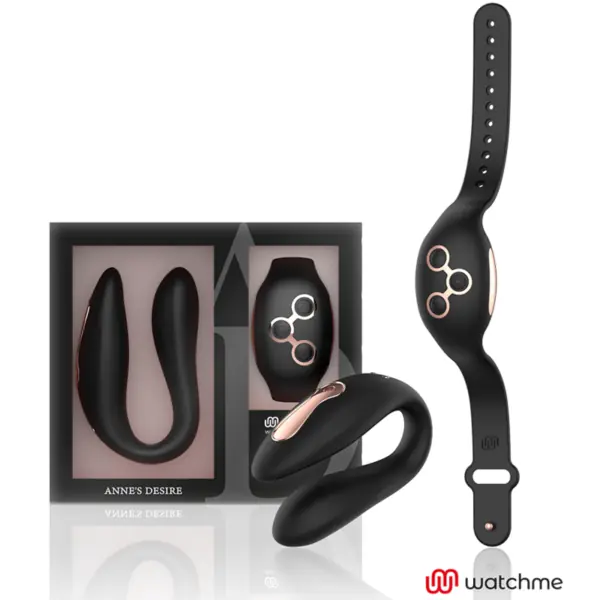
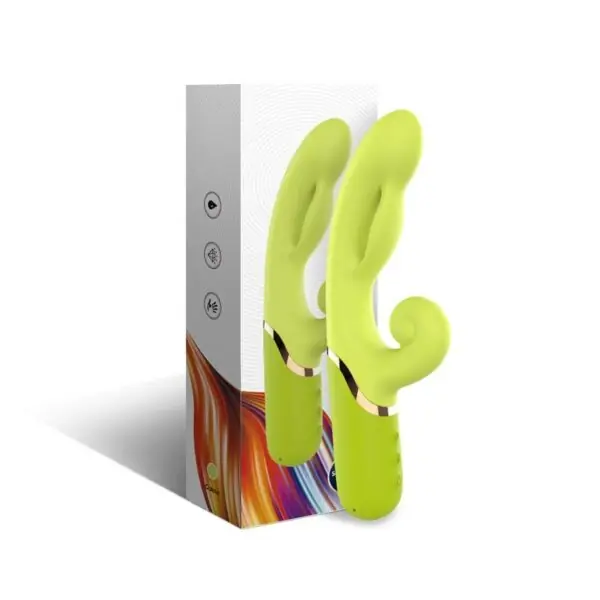
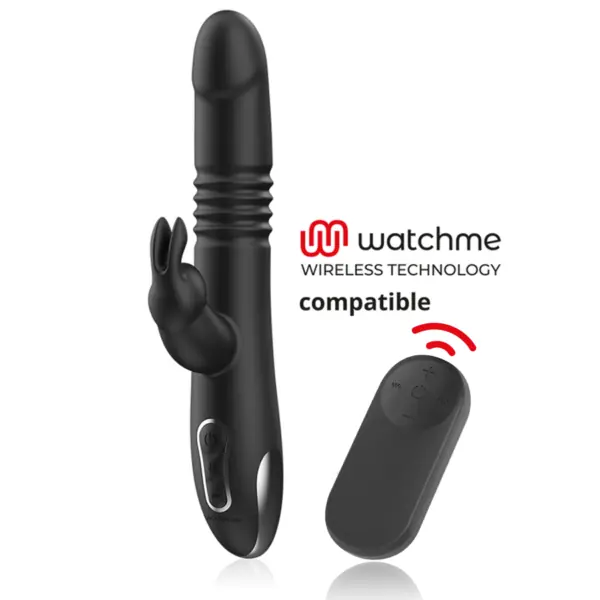
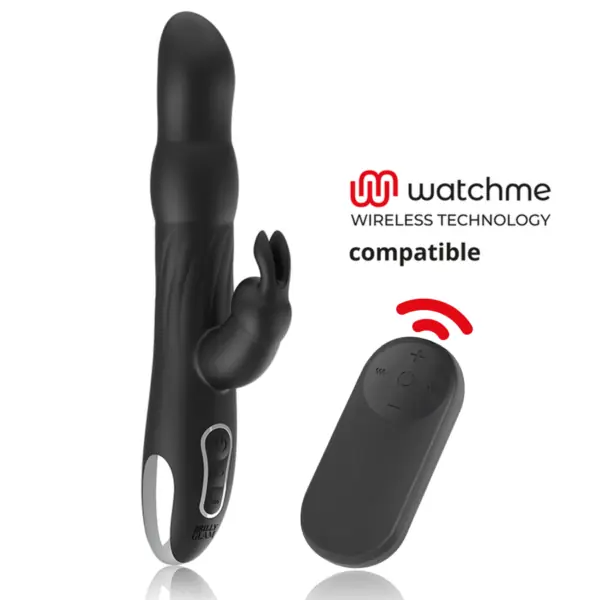
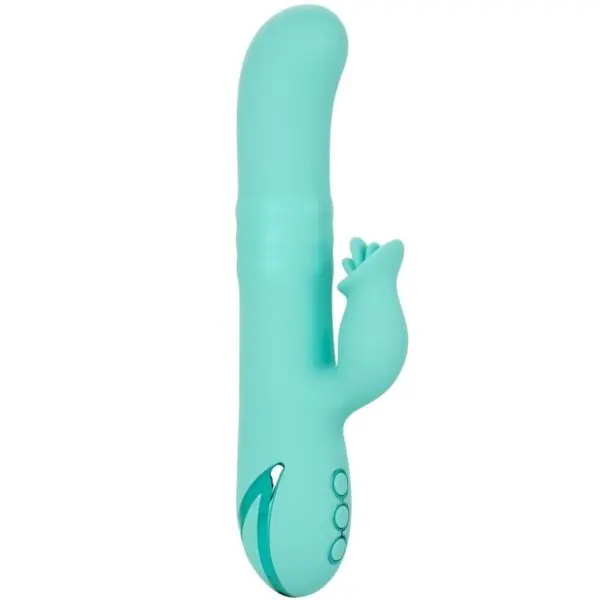
The technology is not confined to expensive toys. The Watchme range is inexpensive and gives you remote control; Pretty Love Elemental offers thirty vibration modes; Intense Ivy and Amara add a stimulating tongue.
At the affordable end you can have remote control, dozens of patterns, or an unusual mechanism — just not all three, and not with app connectivity.
What the money actually buys
Above the mid-range the difference stops being what the toy does and becomes how well it does it: motor quality, silence, battery life, materials, and how long the app remains supported.
That last point is worth weighing. An app-dependent toy relies on the manufacturer maintaining software. A physical remote does not.
Overlap with other shelves
Many of these also appear under remote control, which is organised around one specific feature rather than around technology generally. Many are also rabbit vibrators, G-spot vibrators, and clitoral toys.
If you know the shape you want, those pages are the better starting point. This one is for when the mechanism is the question.
Frequently asked questions
Is a pressure-wave toy a vibrator?
No, and that is the point. It creates pulses of pressure rather than oscillation. Many people who find vibration too intense prefer it; some find the opposite.
Do I need the app?
Almost never for basic use — nearly all of these work with their own buttons. The app adds patterns and remote control, not function.
What if the manufacturer drops app support?
The toy generally keeps working with its physical controls, but the app features stop. This is the main practical argument for a physical remote if long life matters to you.
Are they waterproof?
Many of these are rated fully waterproof. Charging contacts are the usual weak point, so check the individual product rather than assuming.
Where should I start?
If the technology interests you, a pressure-wave stimulator is the one that genuinely feels different. If the shape matters more, use the full vibrator range.
Showing 1–40 of 235 results