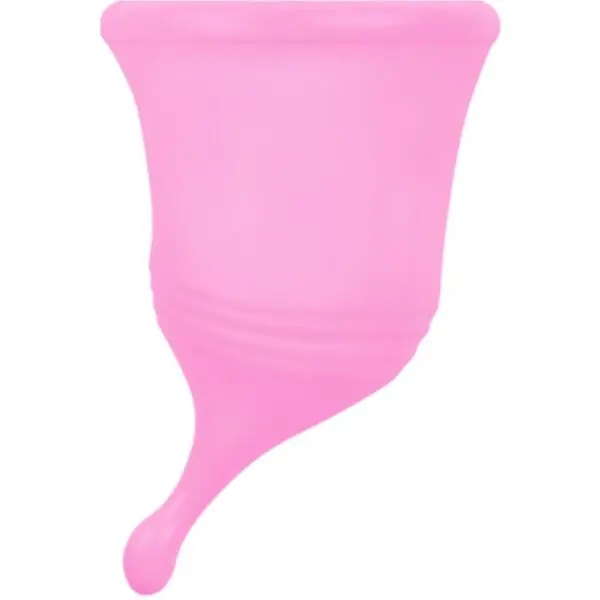
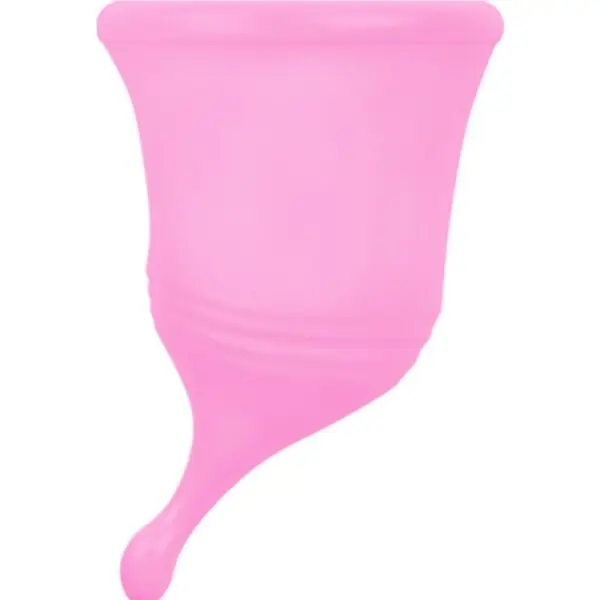
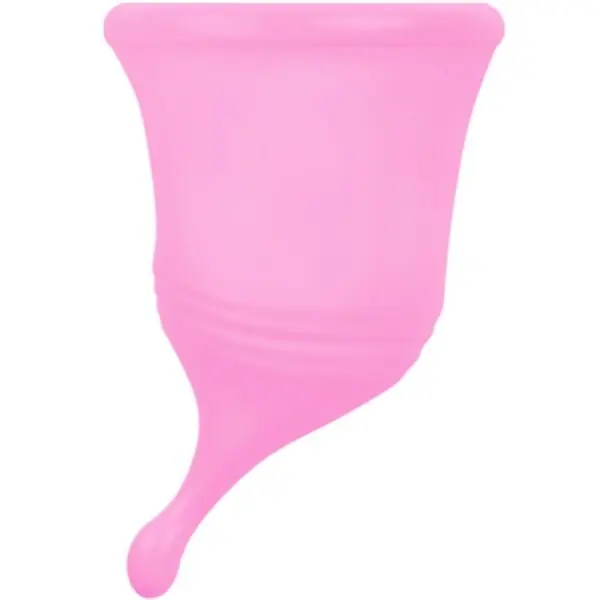
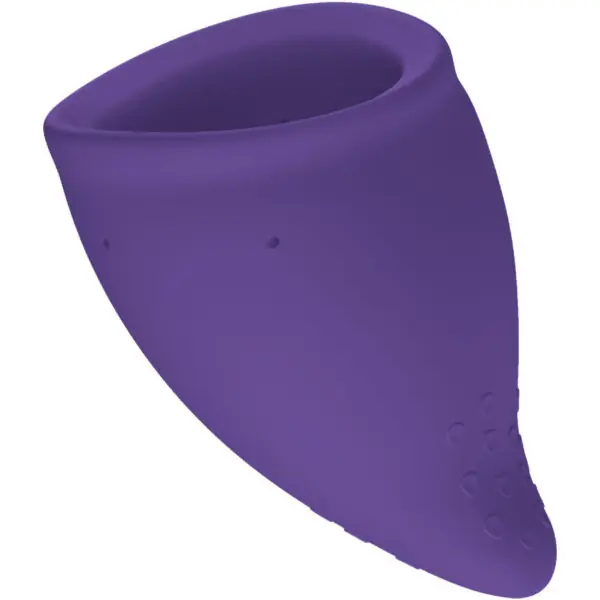
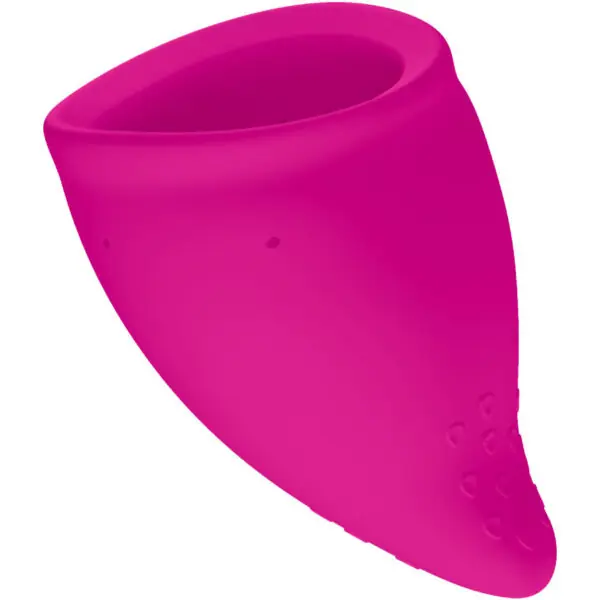
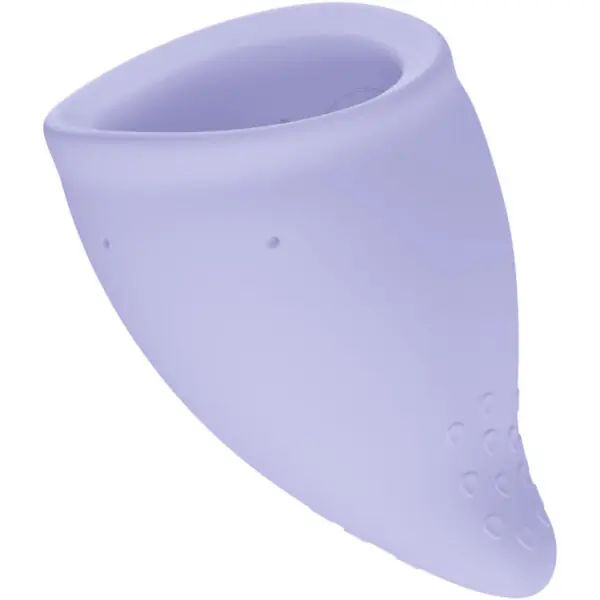
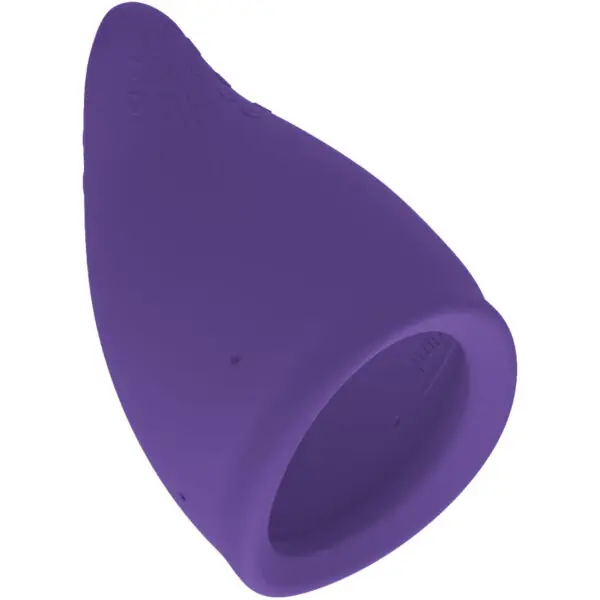
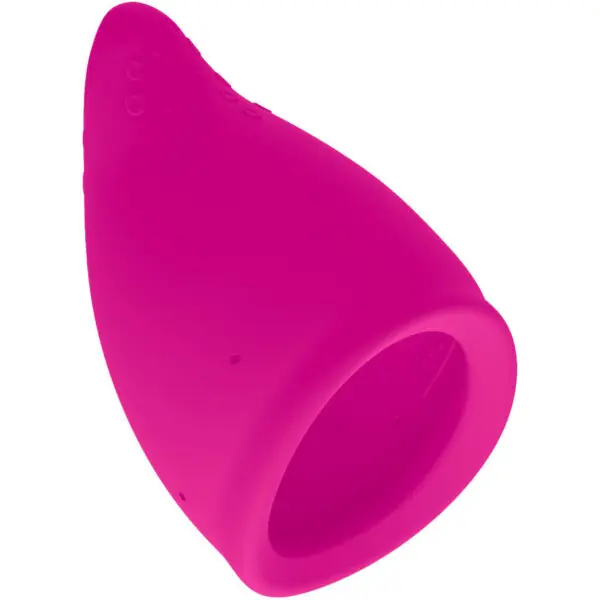
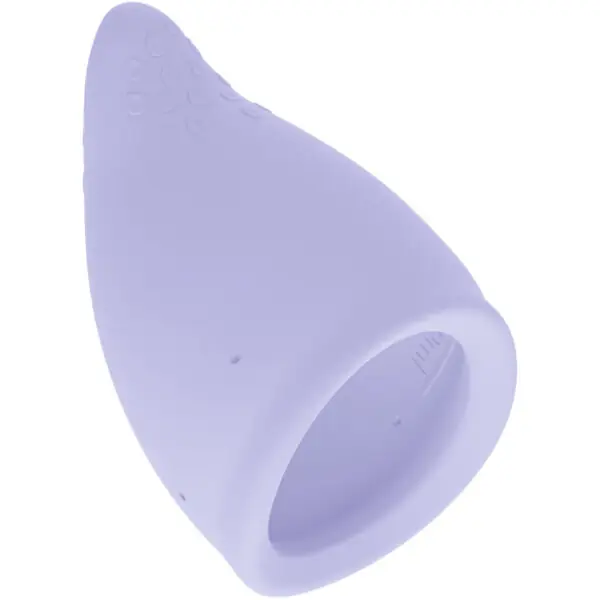
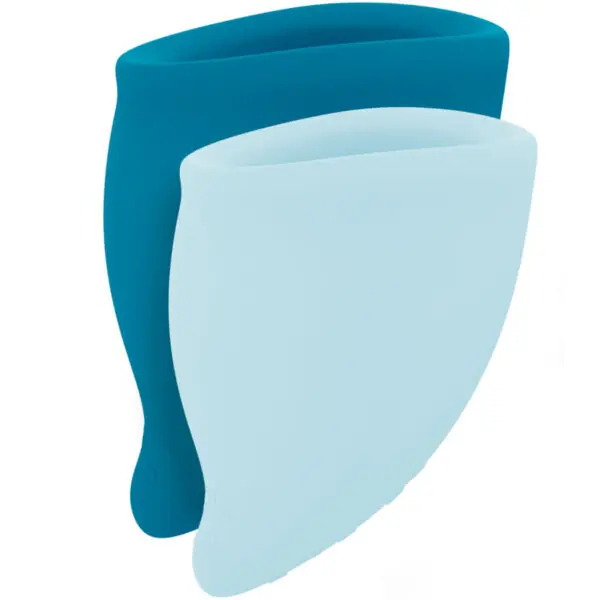
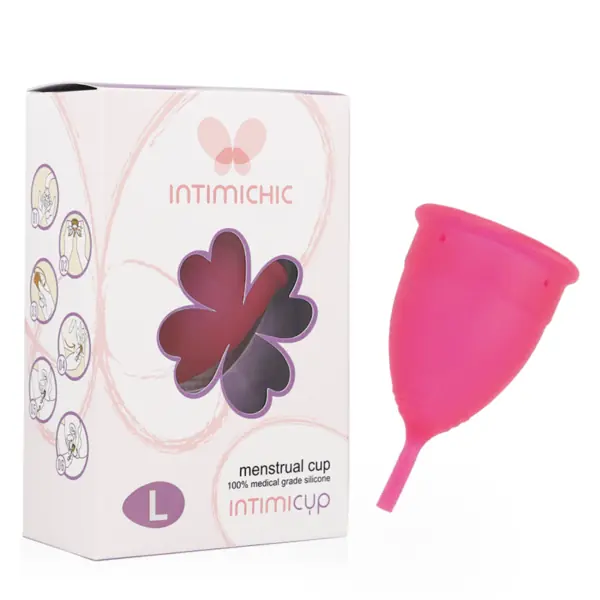
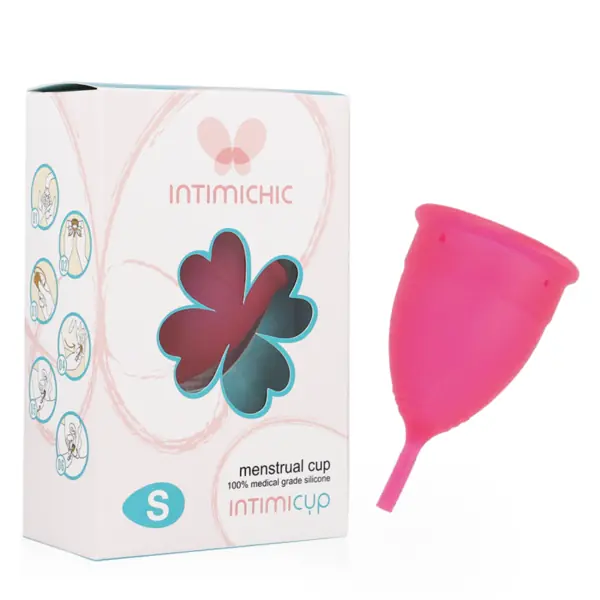
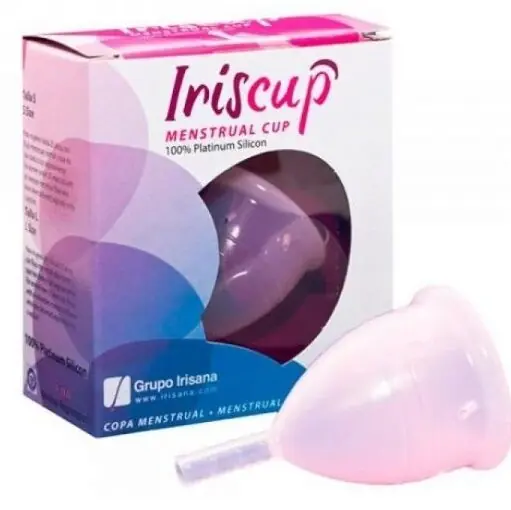
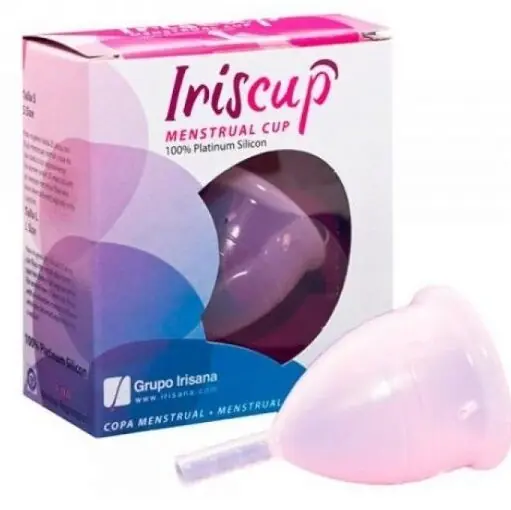
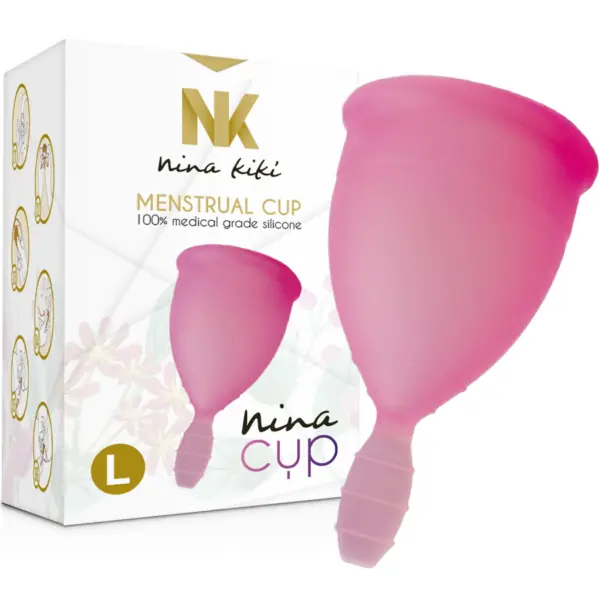
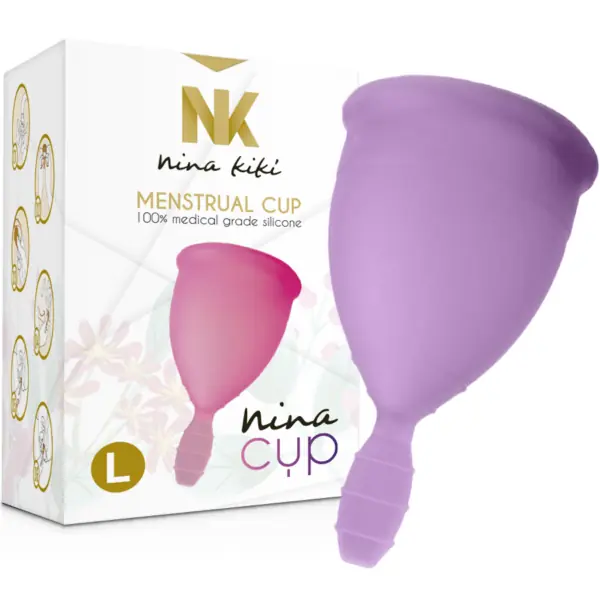
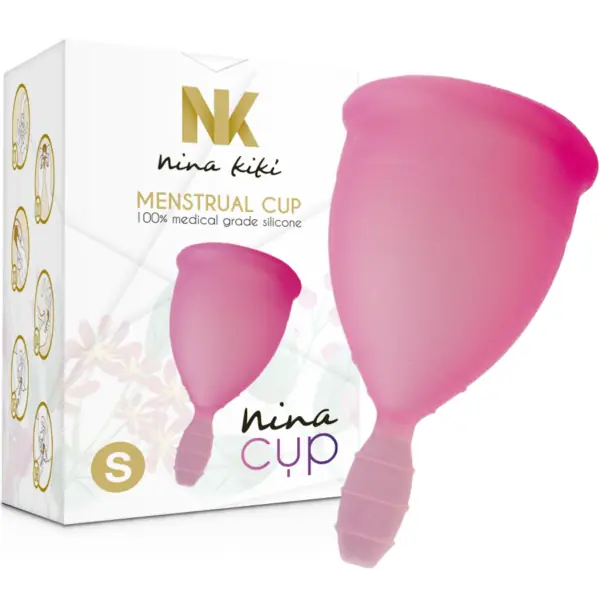
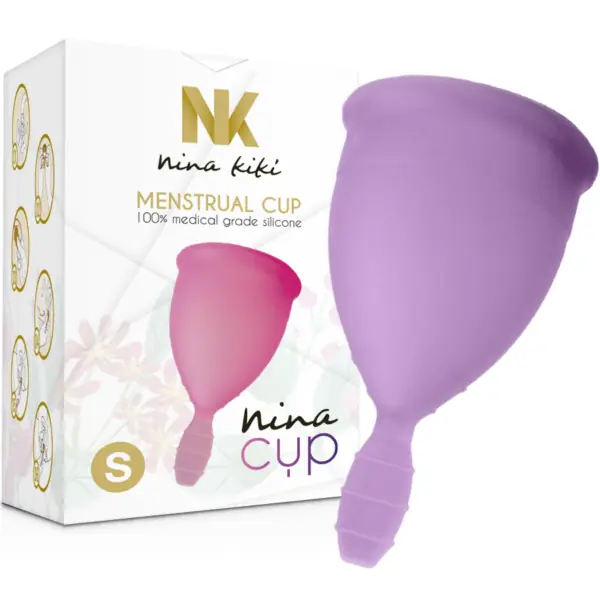
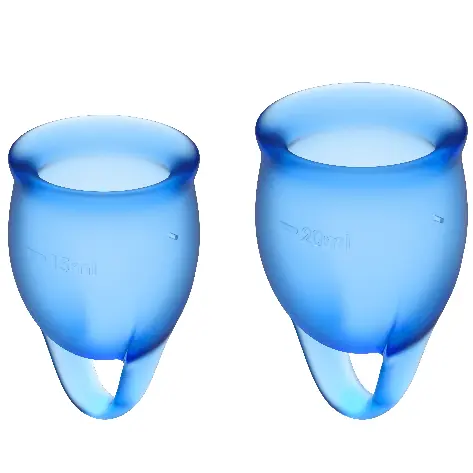
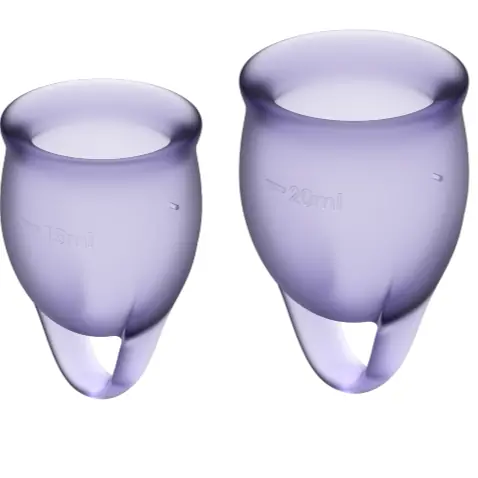
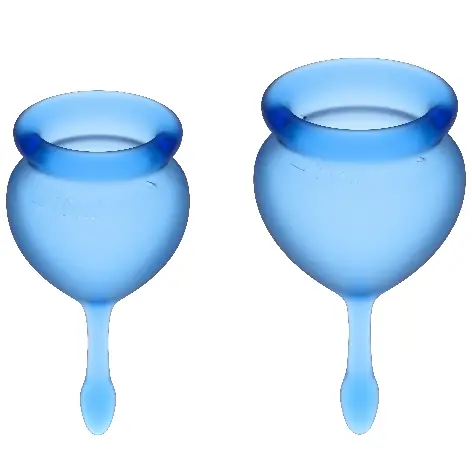
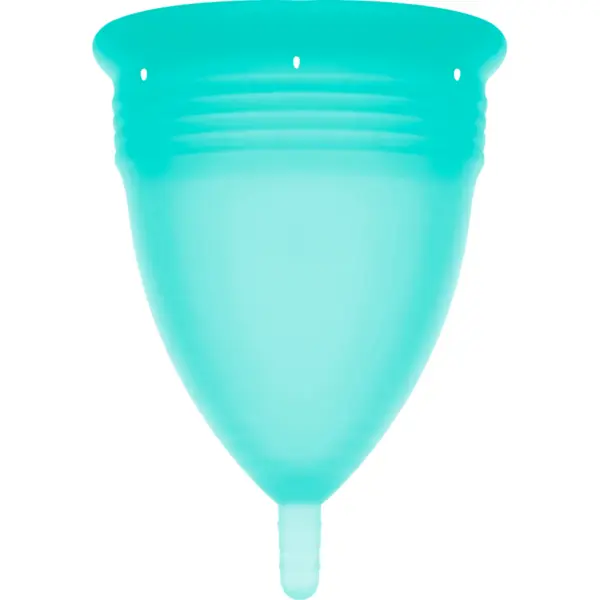
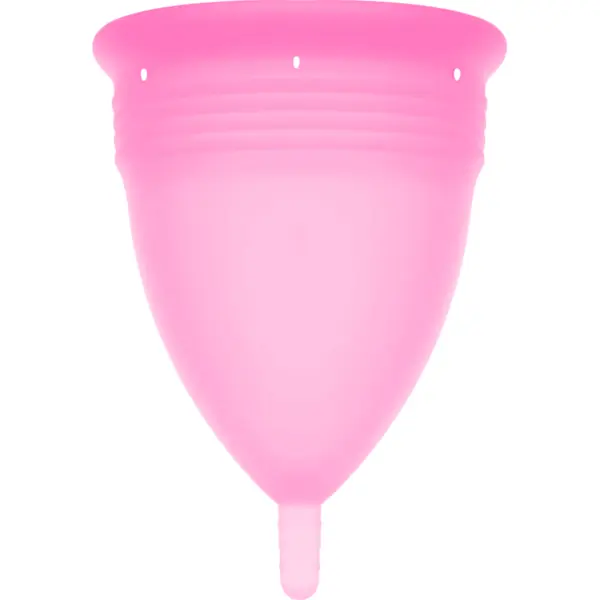
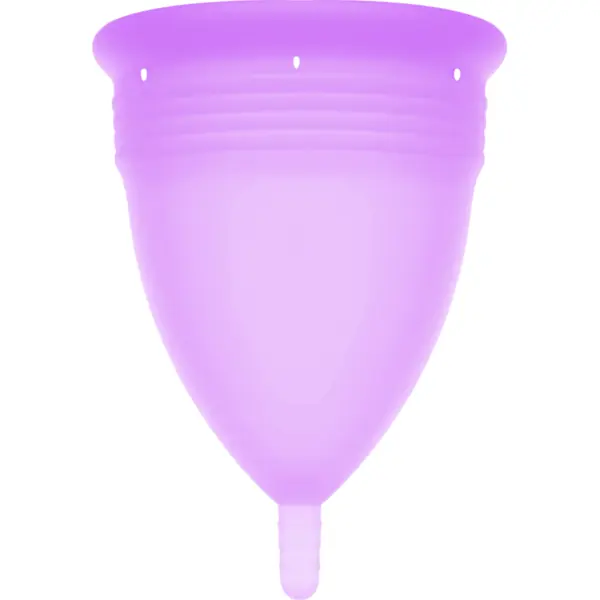
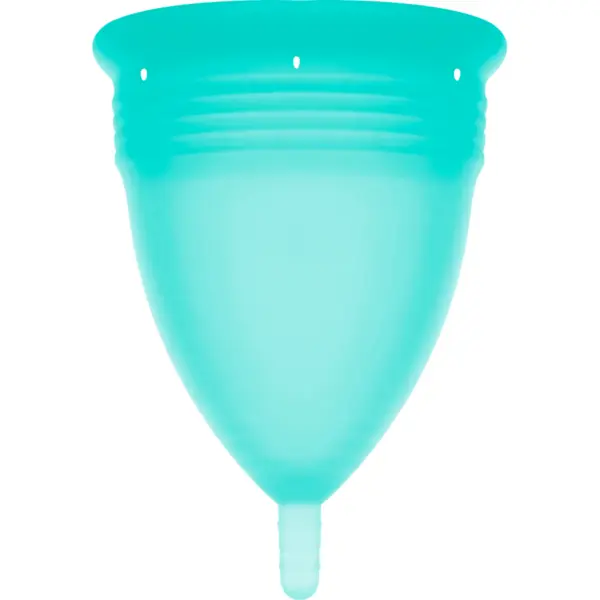
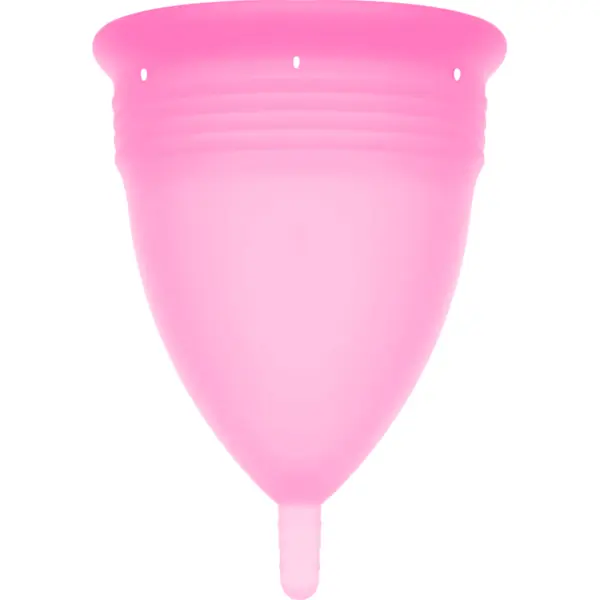
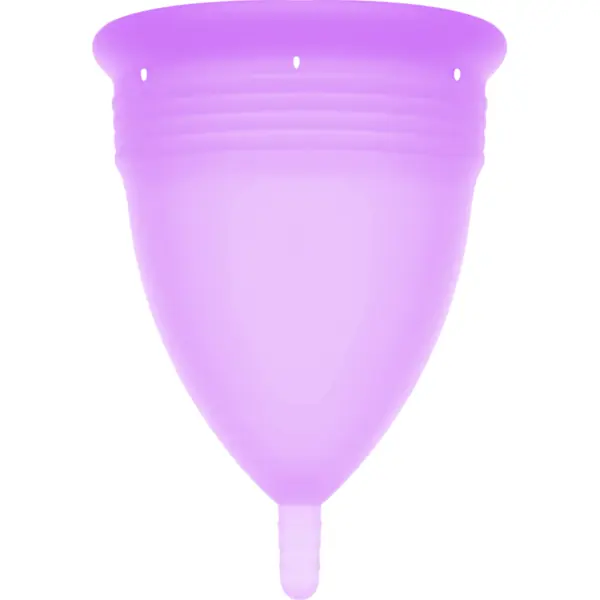
A menstrual cup sits inside the vaginal canal and collects rather than absorbs, which is why one cup replaces a shelf of disposables and why it can stay in far longer than a tampon — most makers state up to twelve hours, depending on your flow.
Size is the decision that matters, and it is not about how much you bleed. The smaller size suits a higher cervix or a body that has not given birth vaginally; the larger one suits a lower cervix or a body that has. Cups that come in both sizes usually sell them as a pair for this reason. Firmness is the second variable: a firmer rim pops open on its own and seals more reliably, a softer one is gentler if you are sensitive to pressure or prone to cramping.
Every cup here is medical-grade or platinum-cured silicone, which is non-porous, holds no odour and tolerates boiling. That last part is the whole maintenance routine — rinse during the day, sterilise between cycles. Folding cases that go in the microwave do it without a pan.
There is a learning curve of two or three cycles, and it is normal. The fold, the angle and the check that the rim has opened fully are what stand between a cup that leaks and one you forget you are wearing. A little water-based lubricant on the rim makes the first few insertions easier; oil-based products do not belong near silicone.
27 products