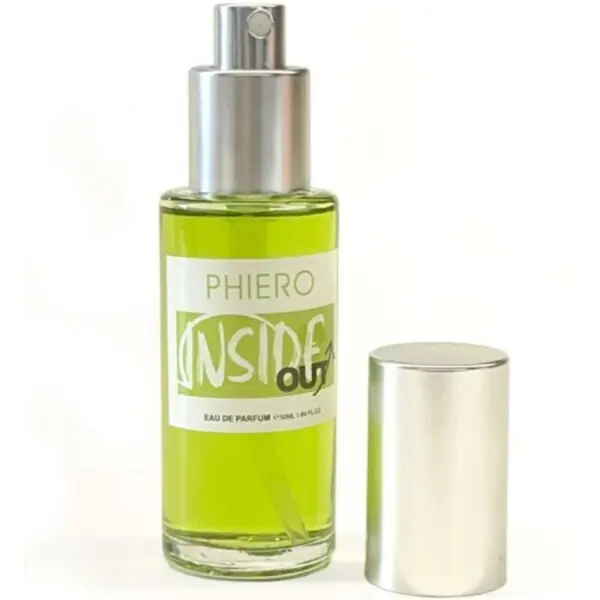
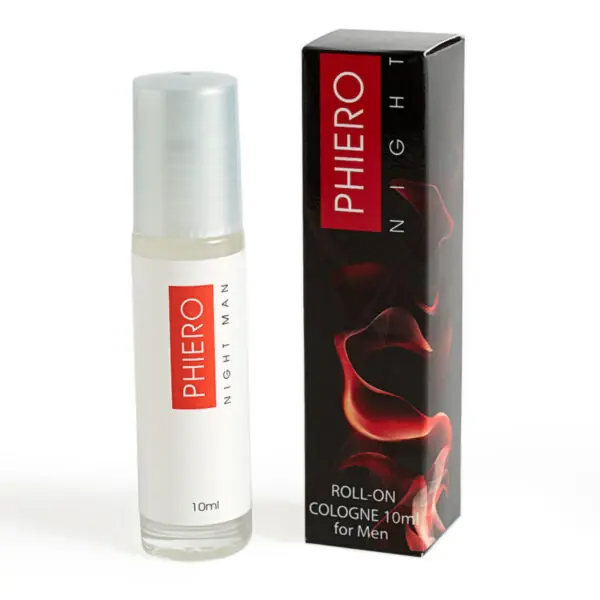
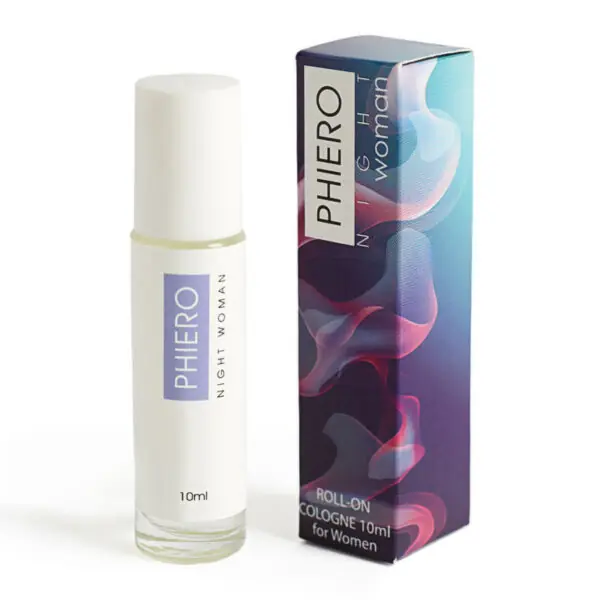
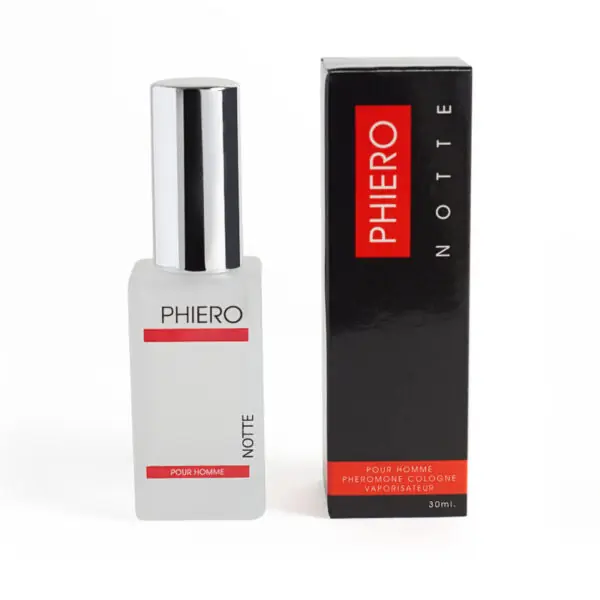
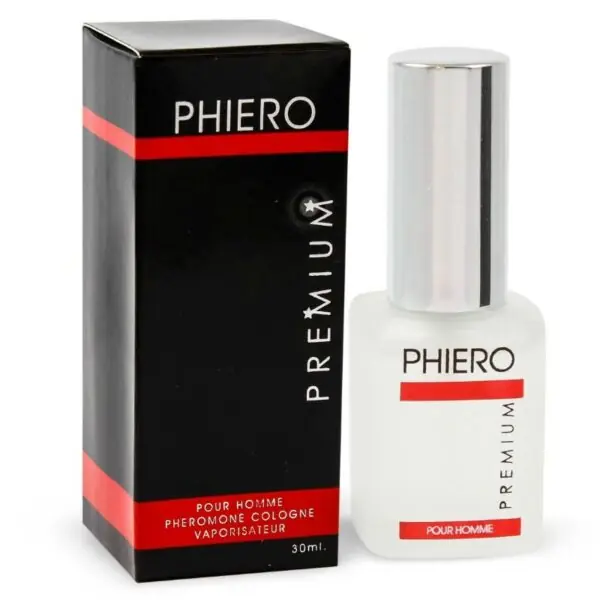
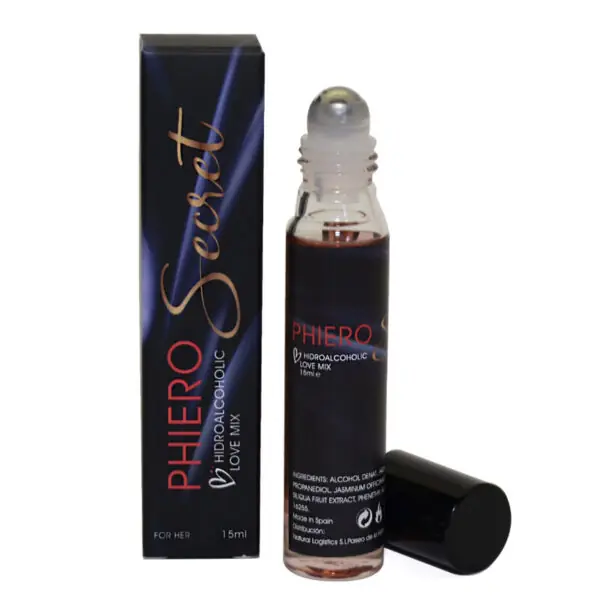
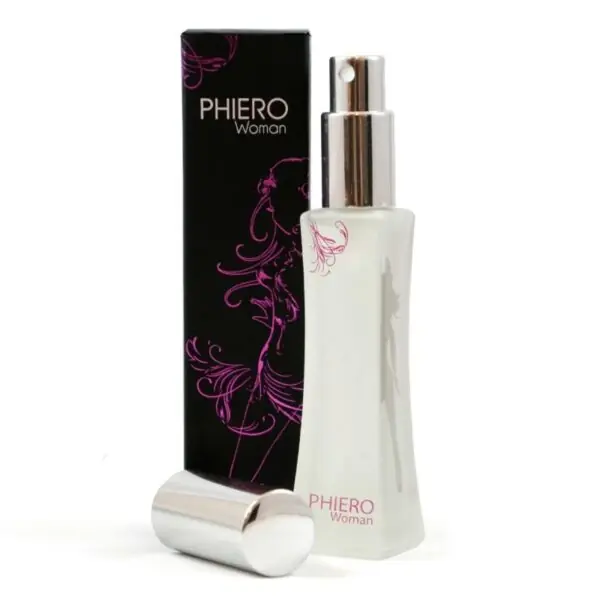
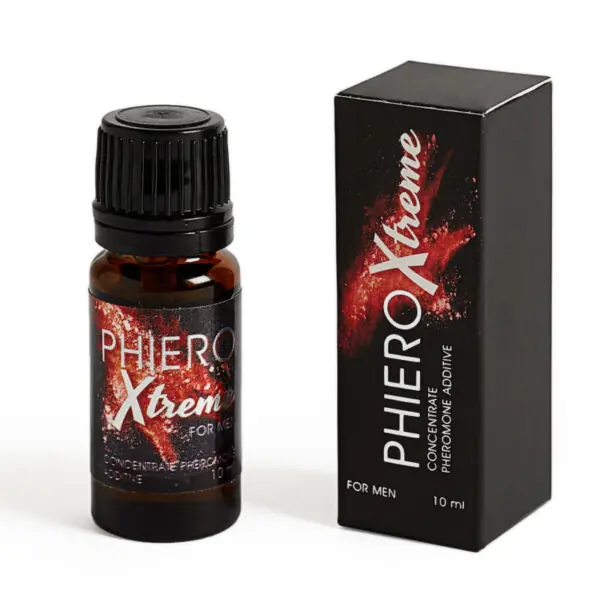
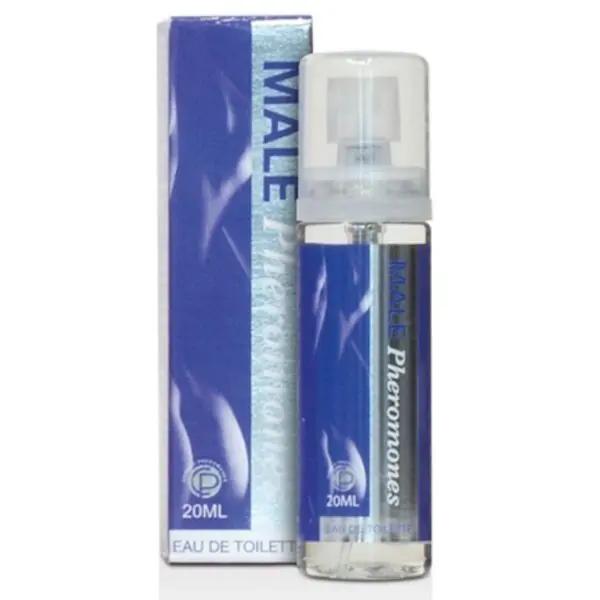
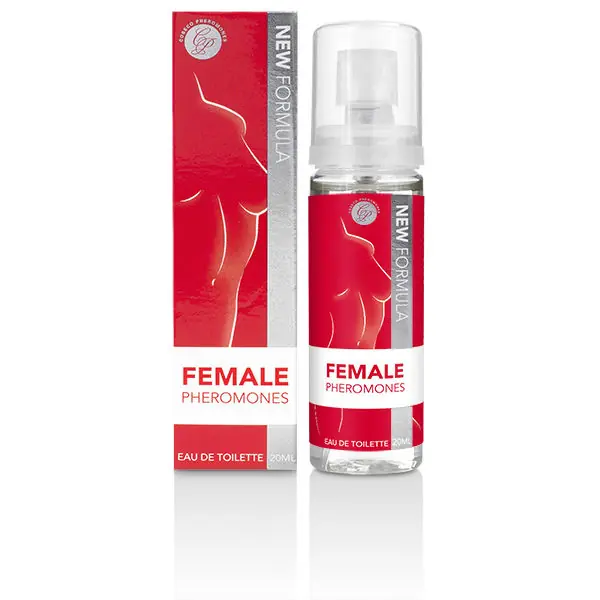
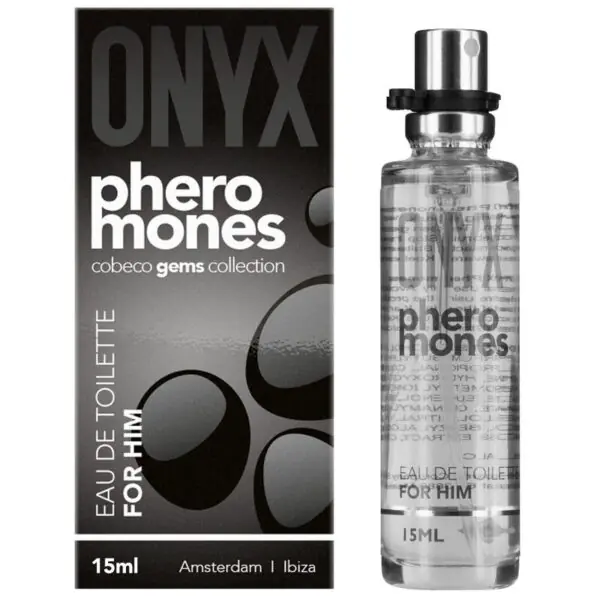
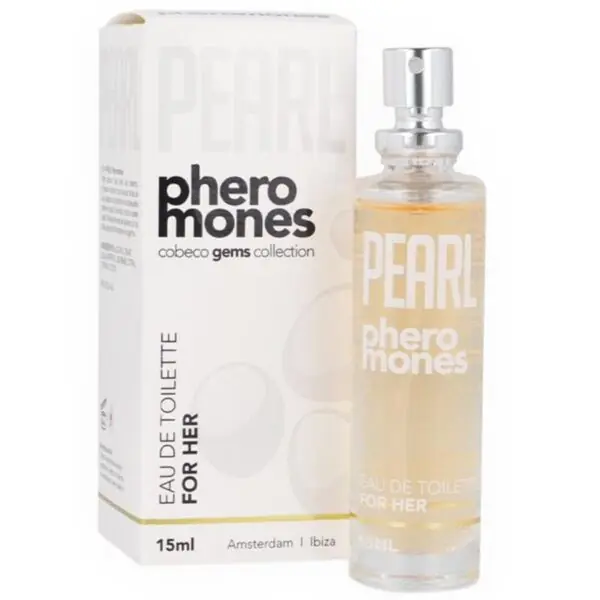
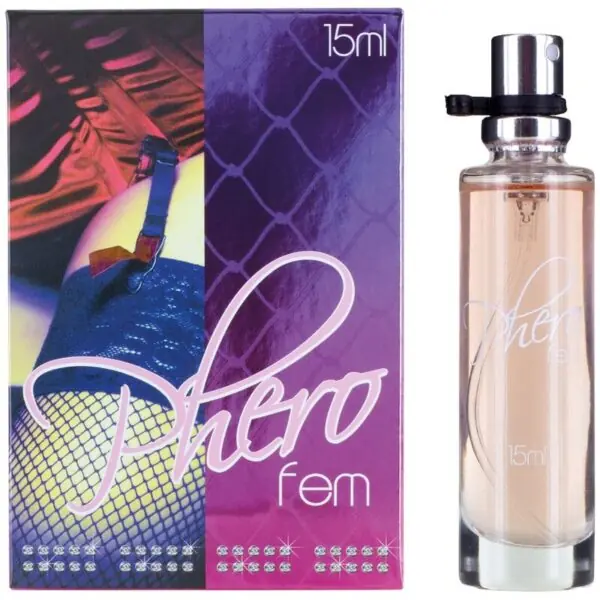
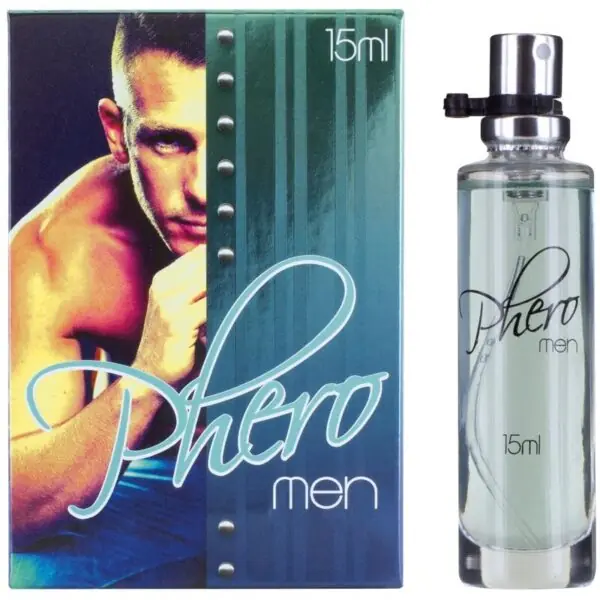
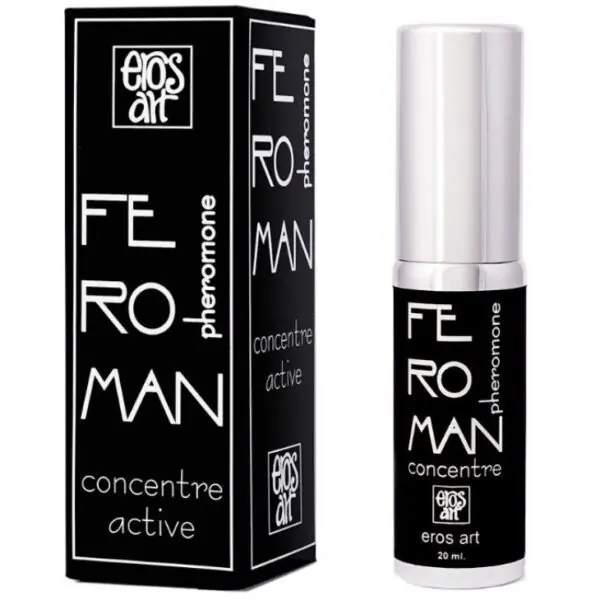
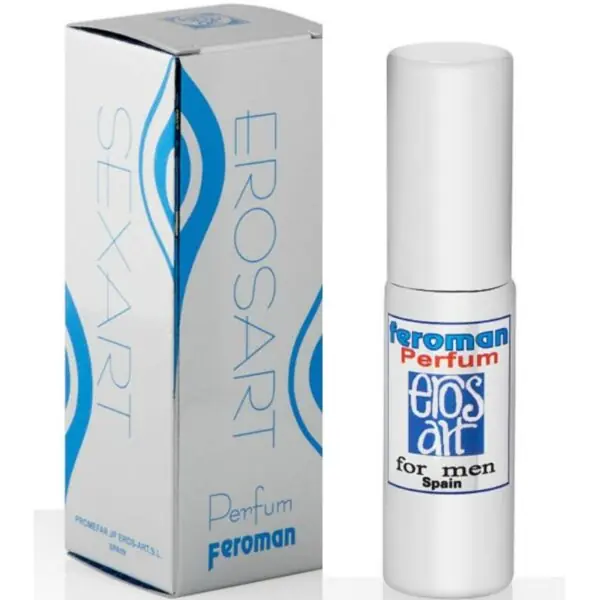
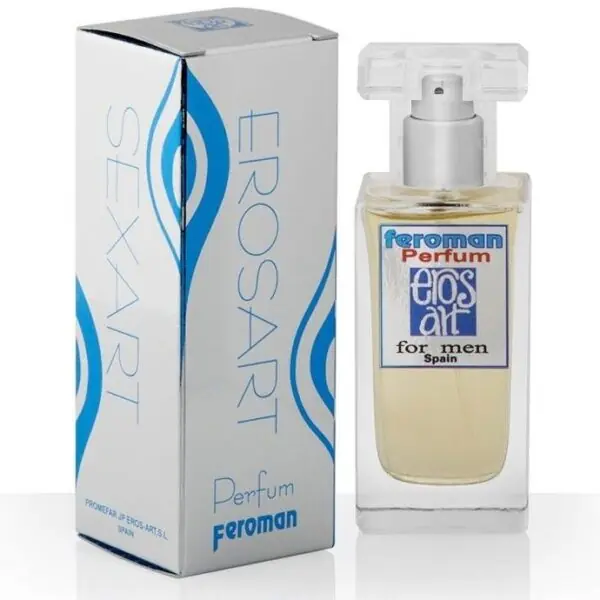
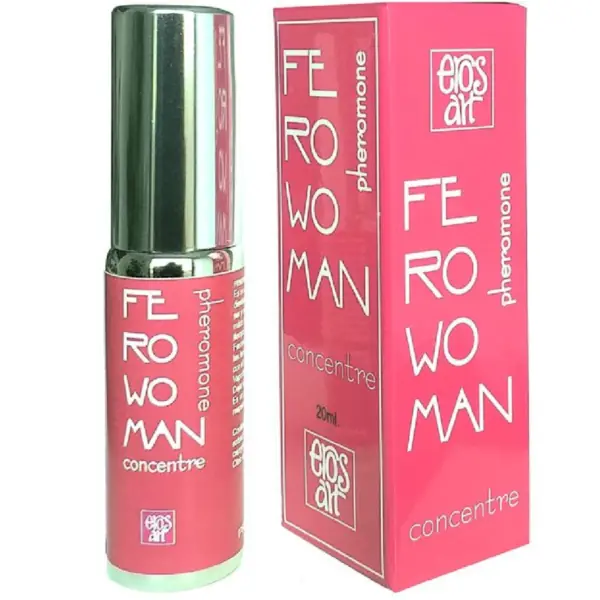
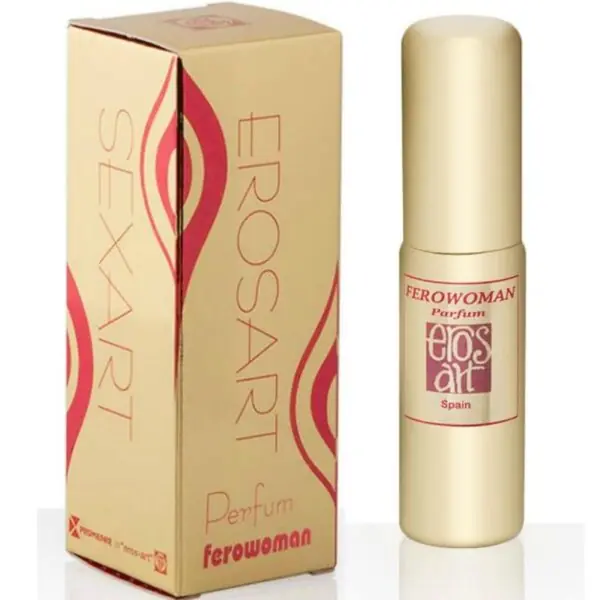
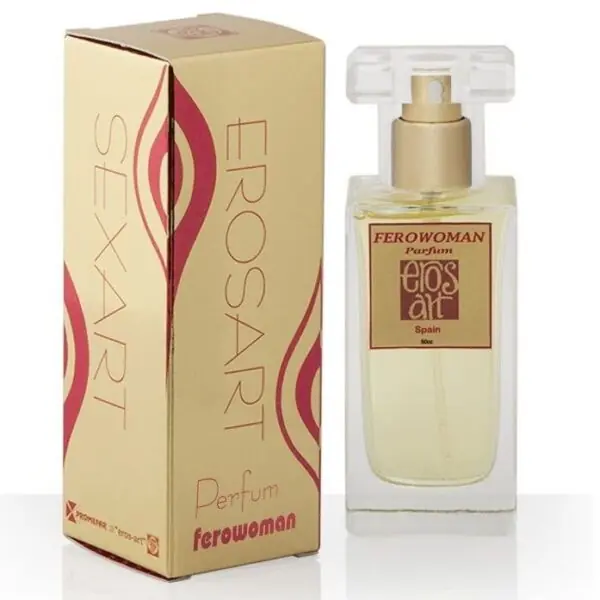
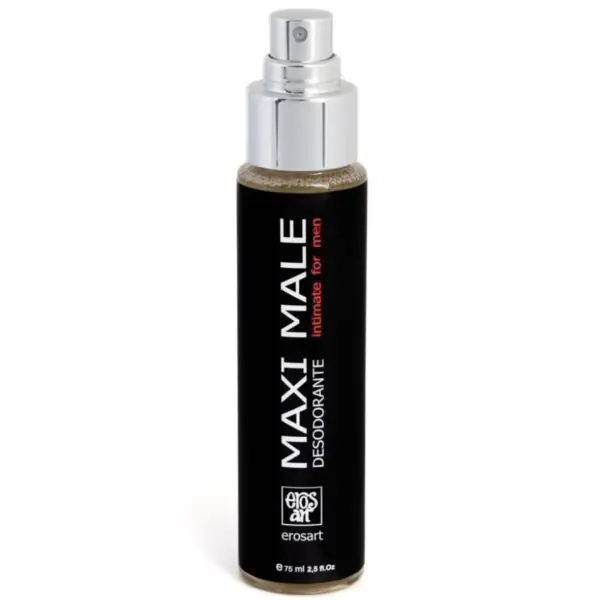
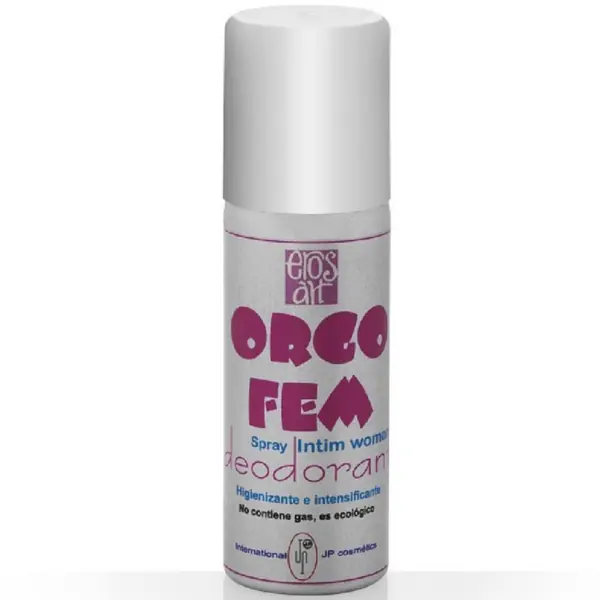
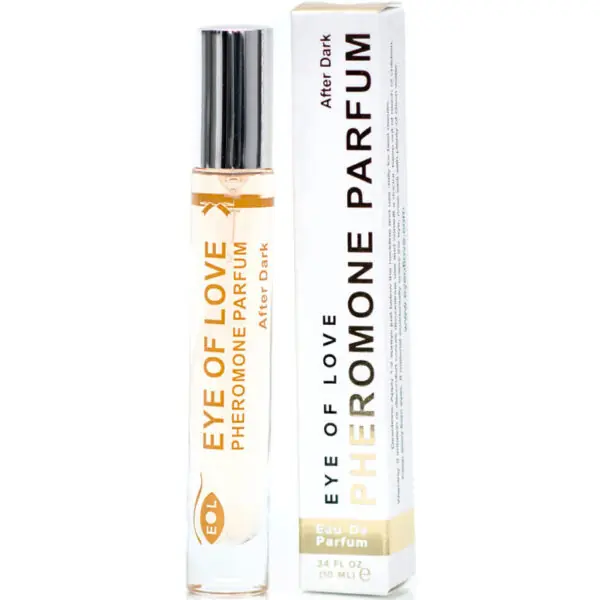
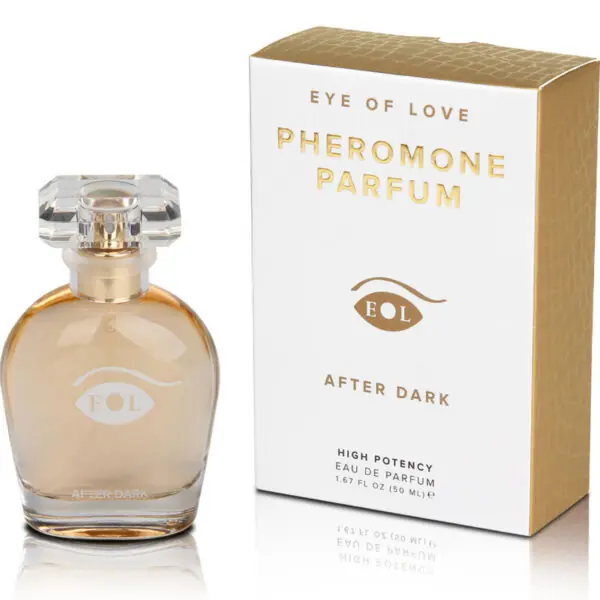
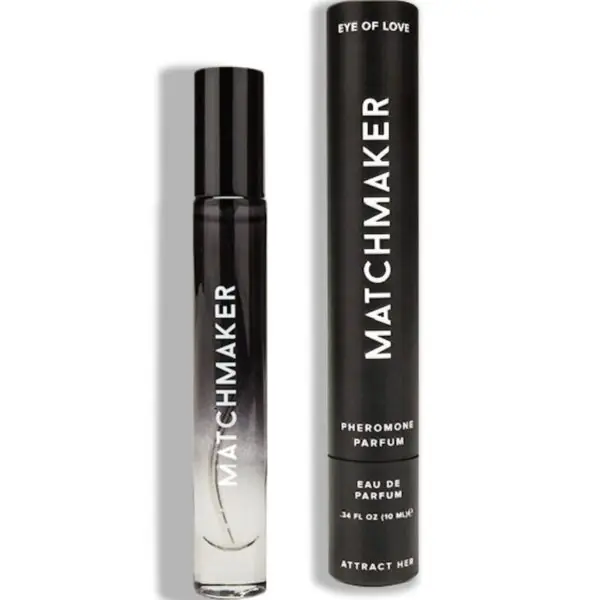
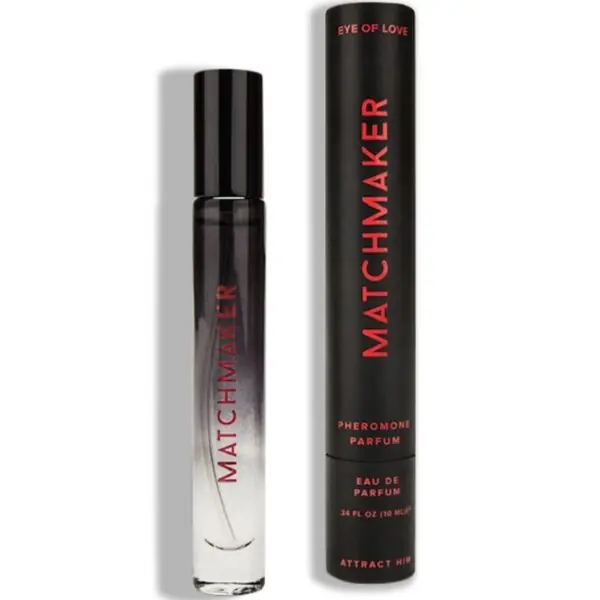
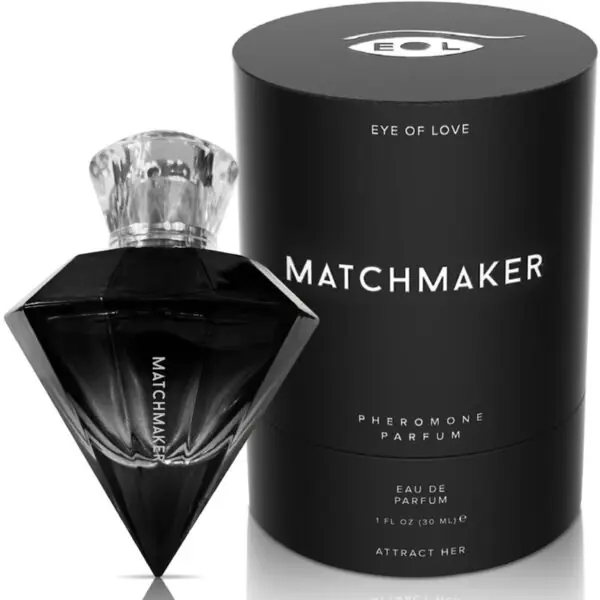
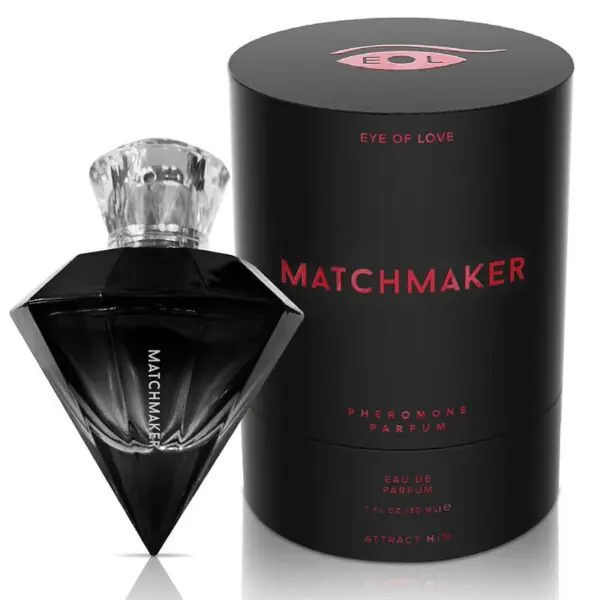
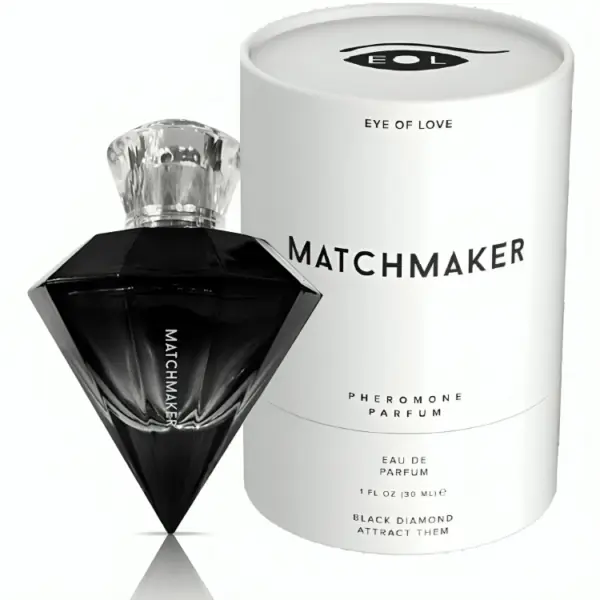
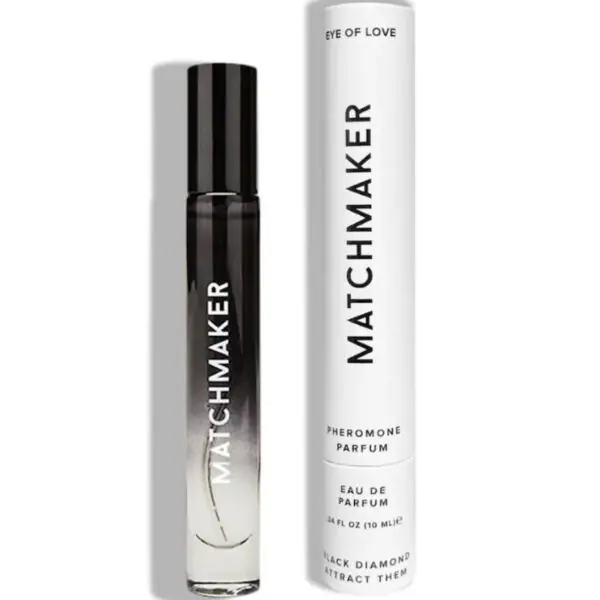
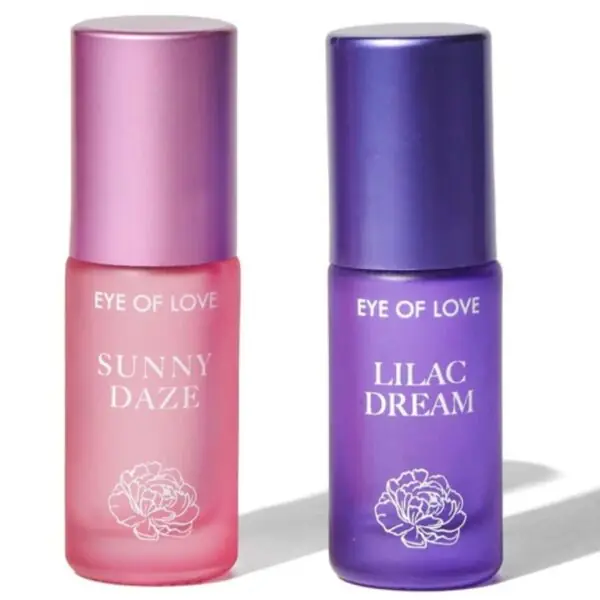
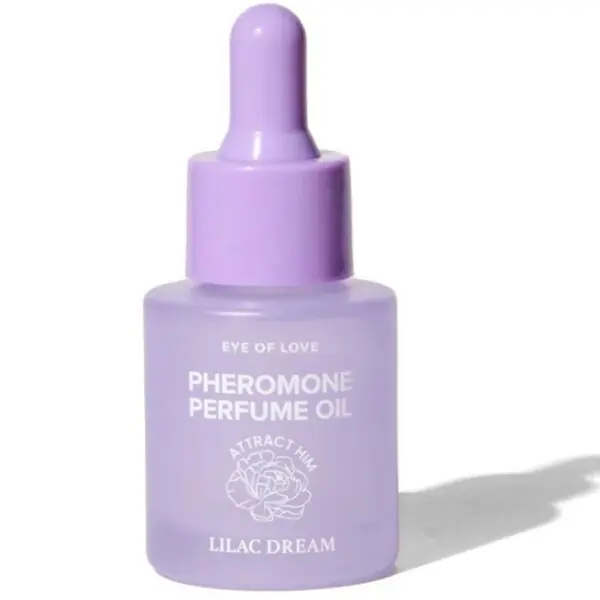
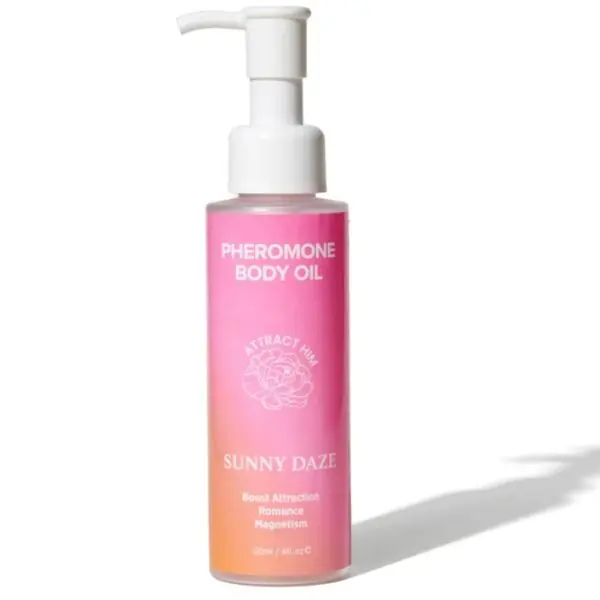
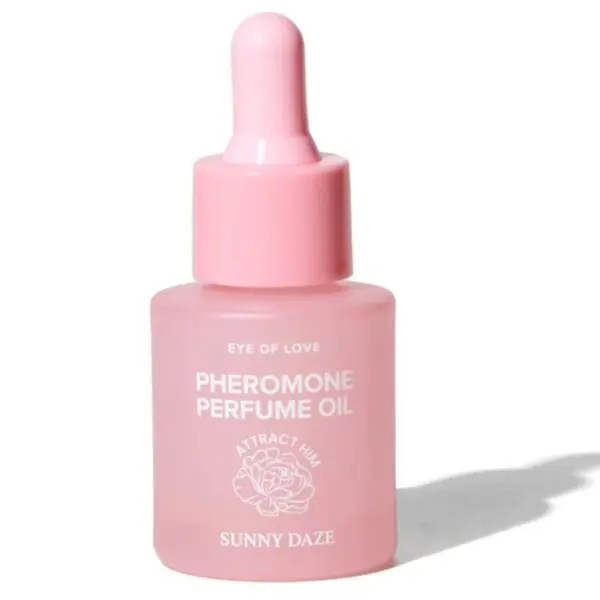
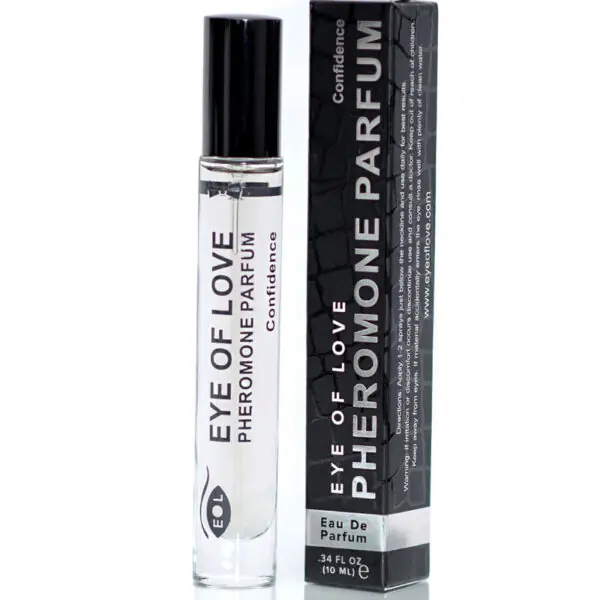
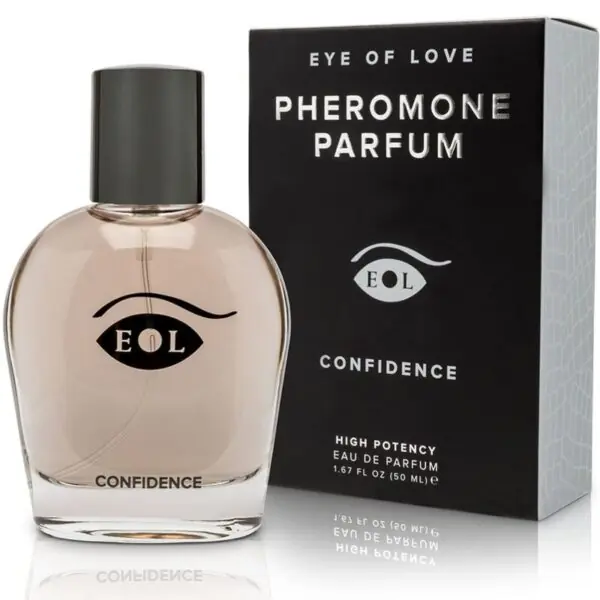
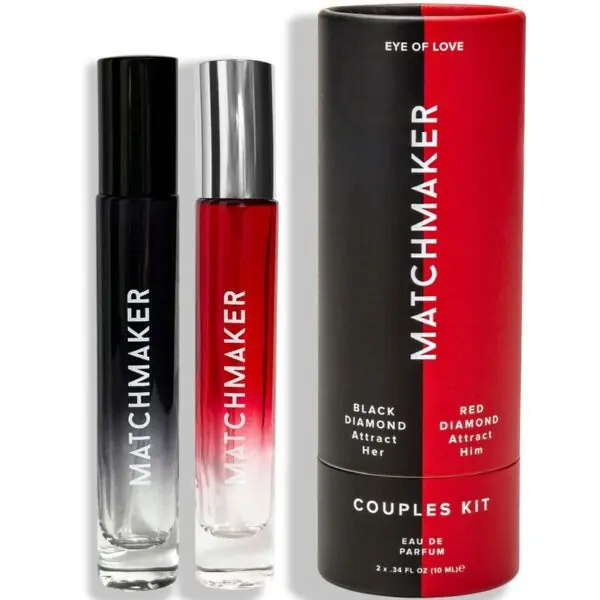
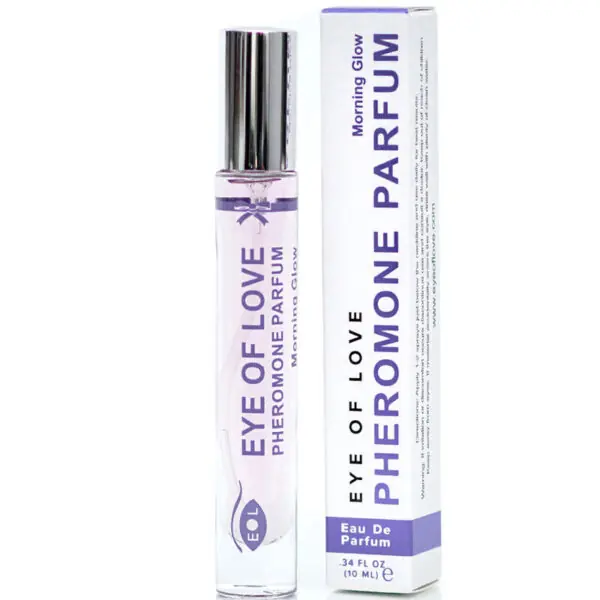
A pheromone perfume is a fragrance with added compounds marketed as human pheromones — usually androstenol, androstenone, androstadienone, estratetraenol or copulins, all of which appear by name on labels in this range. Worn like any perfume, they are sold on the promise of an effect beyond scent.
That promise deserves a straight answer before anything else on this page. Our guide to whether pheromone perfumes work goes further, with a compound-by-compound count of every bottle in this range.
What is actually known
Pheromones are real and well documented — in insects and in many mammals, where specific chemical signals reliably trigger specific responses. That part is not in question.
Humans are a different case. No human pheromone has been conclusively identified. The vomeronasal organ, which detects pheromones in other mammals, is present in human embryos but appears to be largely non-functional in adults, and most of the genes for its receptors are inactive. The compounds sold in these perfumes have been looked at for decades and the picture has never settled: reported effects are small, inconsistent, and hard to repeat.
Manufacturers in this category are considerably more confident than that. Labels here say things like "many studies have proven the effectiveness of this new ingredient" and "a scientifically formulated blend of pheromones". Read those as marketing rather than as settled findings.
So the honest position: there is no good evidence that a pheromone perfume will make someone attracted to you. Anyone promising that is overselling.
Why people buy them anyway
Two reasons that hold up perfectly well without any pheromone claim.
The first is that these are perfumes, and most of them smell good. Scent genuinely affects mood — that is not controversial — and the fragrances here are built to be worn and enjoyed regardless of what else is in them.
The second is confidence. Feeling more assured changes how you carry yourself and how you behave towards people, and that does affect how others respond. Whether the mechanism is a molecule or the belief is hard to separate, and for most buyers not especially important.
Bought on that basis, a pheromone perfume is a reasonable purchase. Bought as a shortcut to attraction, it will disappoint.
Perfume with pheromones, or pheromones alone
Almost everything here is the first kind: a finished fragrance with pheromone compounds added. You wear it instead of your usual scent, and the fragrance is much of what you pay for. The Eye of Love After Dark, Morning Glow and Romantic parfums are the same idea in three different scent profiles.
The second kind is unscented — the additives without a fragrance, intended to be worn under or alongside your own perfume. That solves a real problem: if you already have a scent you like, you do not have to abandon it. In practice this is a small niche and stock is thin. The Eye of Love unscented 50 ml is the one currently available.
Cologne, perfume, parfum or spray — the labels
Brands in this category use those words more or less interchangeably, and a good number of the listings here describe themselves as a cologne. In classic perfumery the words mean different concentrations of fragrance oil. Here they mostly signal who the scent is aimed at: cologne for a men's fragrance, perfume or parfum for a women's one. Neither word tells you anything about the pheromone content.
What does tell you something is the format. A spray projects further and fades faster; a roll-on oil or a solid sits close to the skin and stays put. The concentration note below matters more than the word on the bottle.
Concentration, and what it does not mean
Concentration is quoted inconsistently across brands, and there is no standard the way there is for eau de toilette against eau de parfum. One label's "high concentration" is not comparable to another's.
More usefully, concentration mostly affects the fragrance — how strong it smells and how long it lasts on skin. It is not a dial for effectiveness, and doubling it does not double anything except intensity and cost. Choose a strength you would want to smell of for an evening.
Size is the more practical decision. A 10 ml bottle is enough to find out whether you like a scent; the Secretplay travel size is smaller still. Move to a 50 ml such as the deluxe After Dark once you know you will wear it.
How to use one
Apply to pulse points, where skin is warm and thin: wrists, the base of the throat, behind the ears, the inside of the elbows. Warmth is what lifts a fragrance off the skin, which is why those spots work and why spraying clothing does not — fabric holds scent longer but does not warm it.
Two or three sprays is plenty. Perfume is easy to over-apply, and the person wearing it is always the worst judge, because you stop noticing your own scent within minutes while everyone else does not.
Expect three to six hours on skin from a sprayed fragrance. Oils such as the Secretplay oil and solids like the Bijoux solid perfume sit closer to the skin and last longer but project less — a quieter, more personal effect. Moisturised skin holds any fragrance better than dry skin.
The Ruf Taboo for her and Taboo for him pair, and Aime Emoi, are straightforward starting points.
Not everything here contains pheromones
Worth knowing before you buy: this section also lists ordinary perfumes and body mists with no pheromone content at all — mainly the Burn and Macho ranges, plus a couple of Bijoux body mists. They are perfectly good fragrances, but they are not what most people come here for.
The reliable test is the product's own description, which says plainly whether pheromones are included. If you specifically want the pheromone products, the gendered pages are cleaner: pheromone perfumes for women and pheromone perfumes for men. The plain fragrances live under women's perfumes and men's perfumes.
Frequently asked questions
Do pheromone perfumes actually work?
Not in the way they are usually advertised. There is no reliable evidence that they cause attraction. They do work as perfumes, and the confidence people report is real enough on its own terms.
Where should I apply it?
Pulse points — wrists, throat, behind the ears, inner elbows. Two or three sprays. Skin rather than clothing.
How long does it last?
Roughly three to six hours for a sprayed fragrance. Oils and solid perfumes last longer but project less — so if you want something long lasting, an oil on pulse points will outlast a spray. Heat and dry skin both shorten it; a light layer of unscented moisturiser first helps the scent hold.
Can I wear it with my usual perfume?
Yes, though two fragrances can clash. If you want to keep your own scent, an unscented pheromone product layered underneath is the cleaner approach.
Showing 1–40 of 201 results