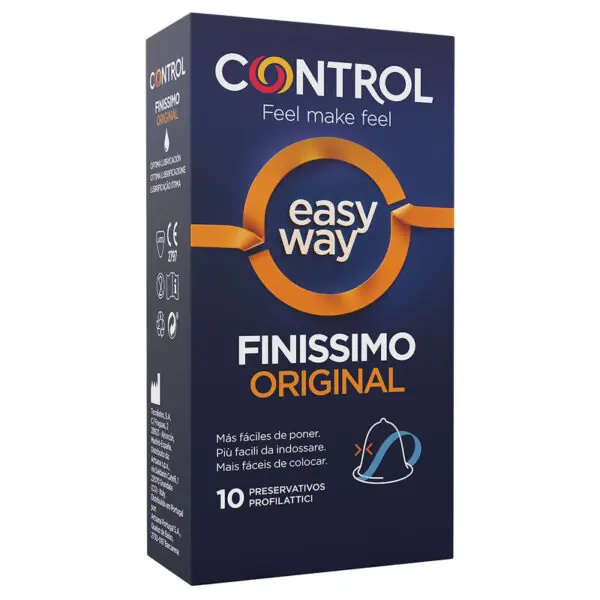
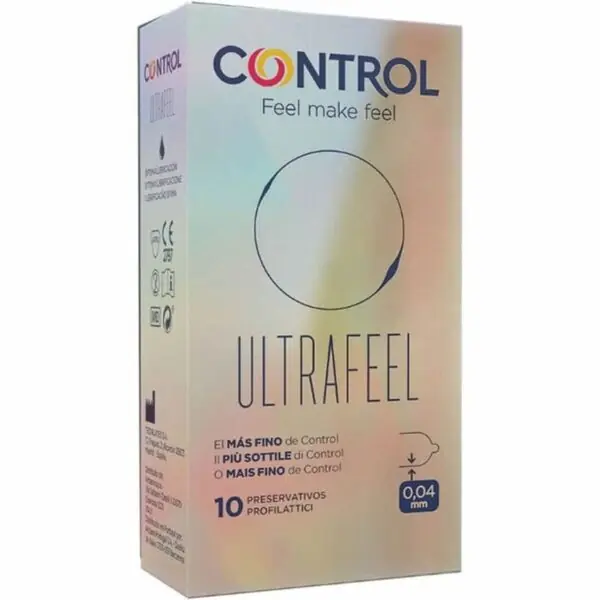
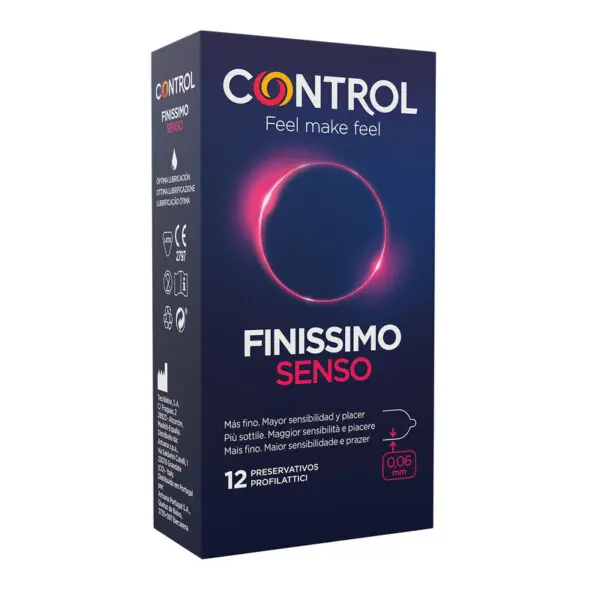
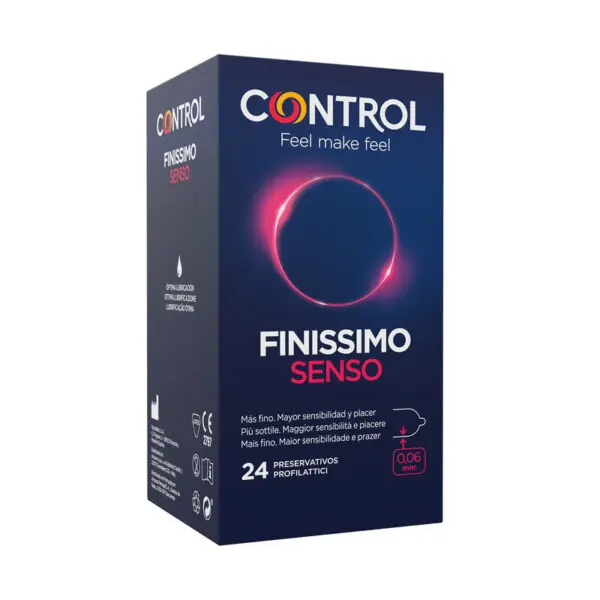
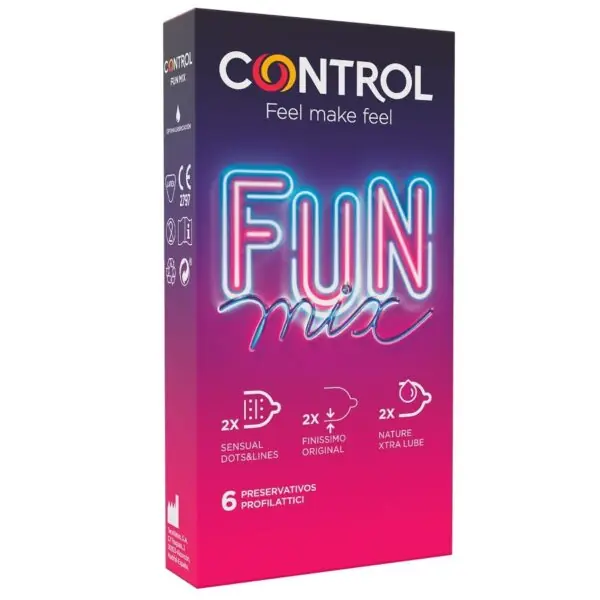
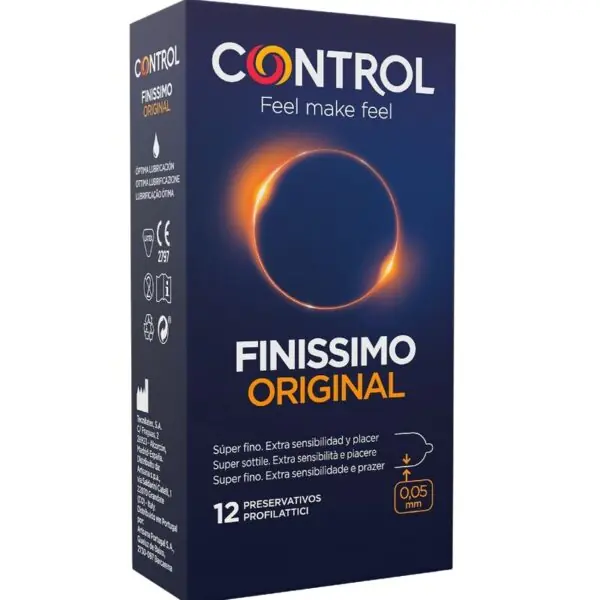
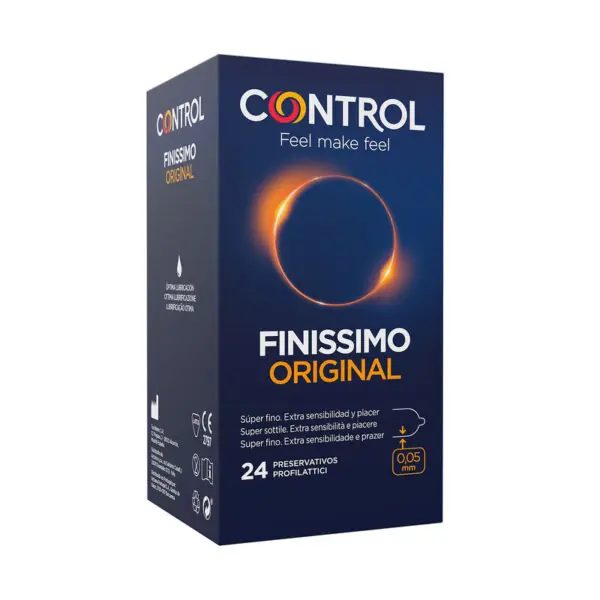
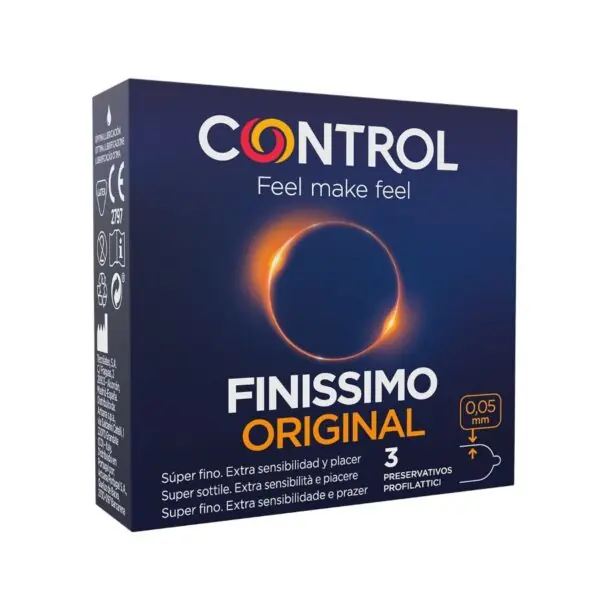
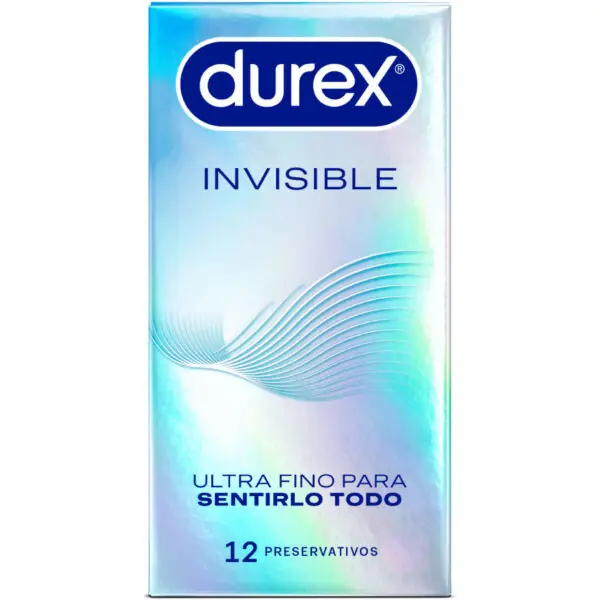
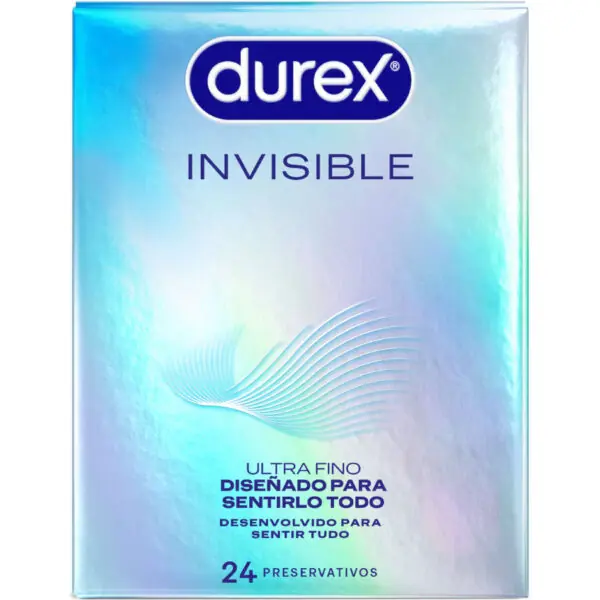
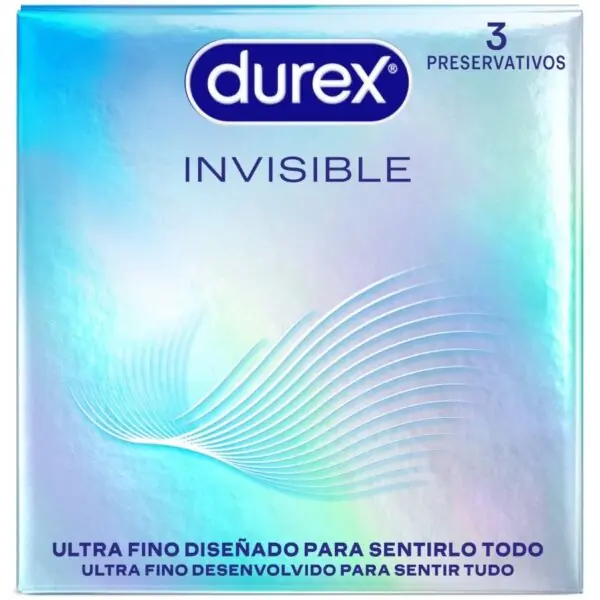
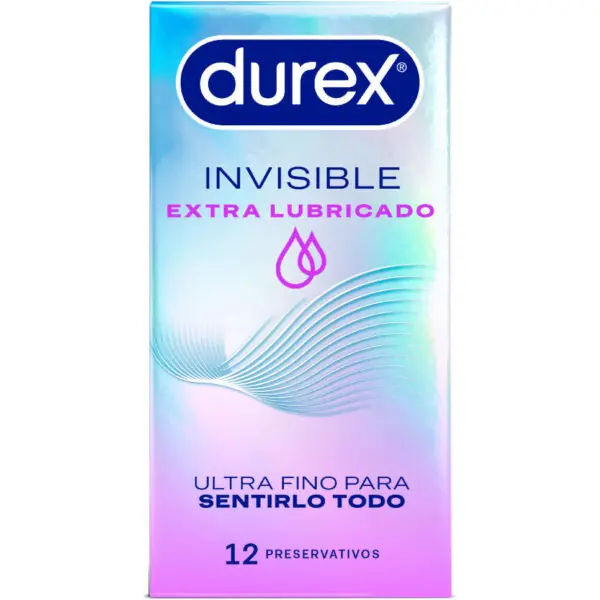
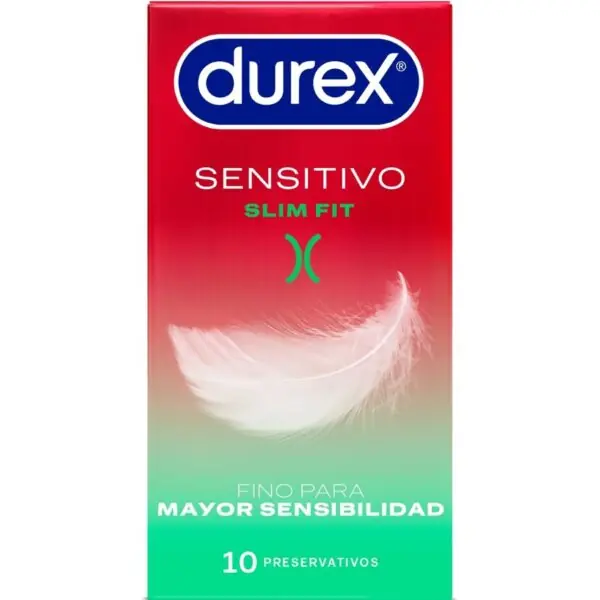
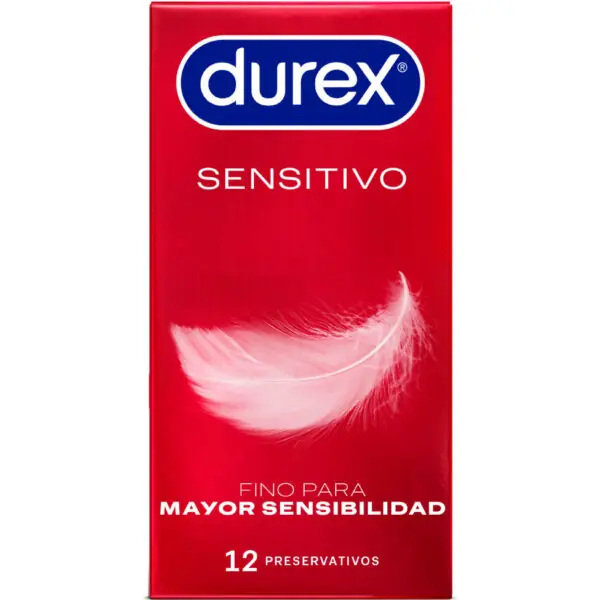
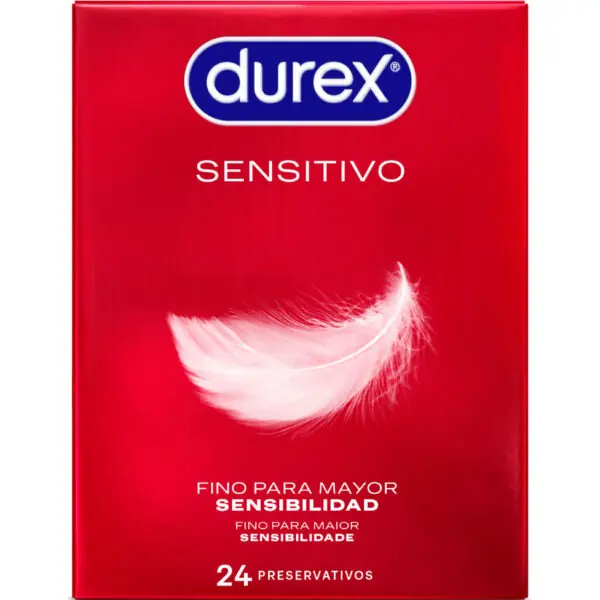
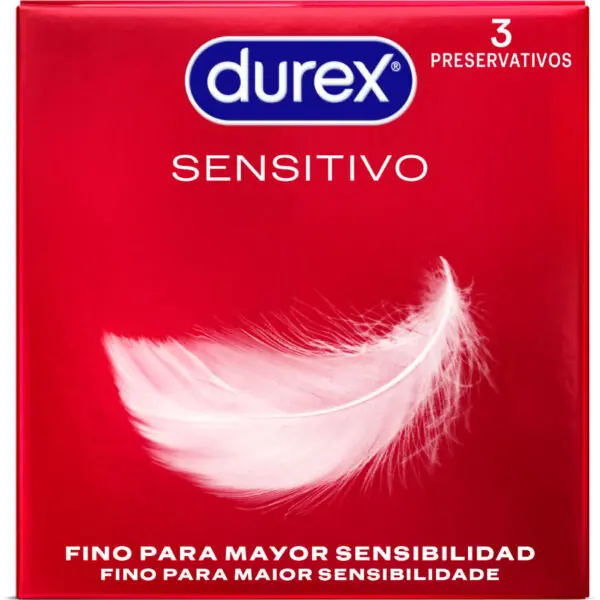
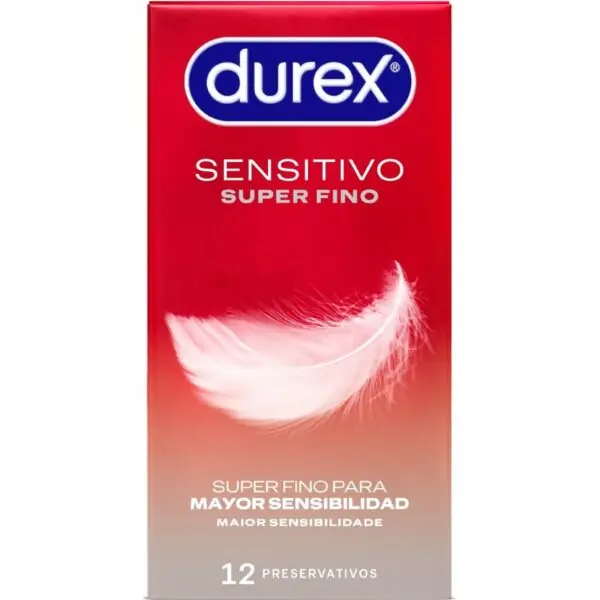
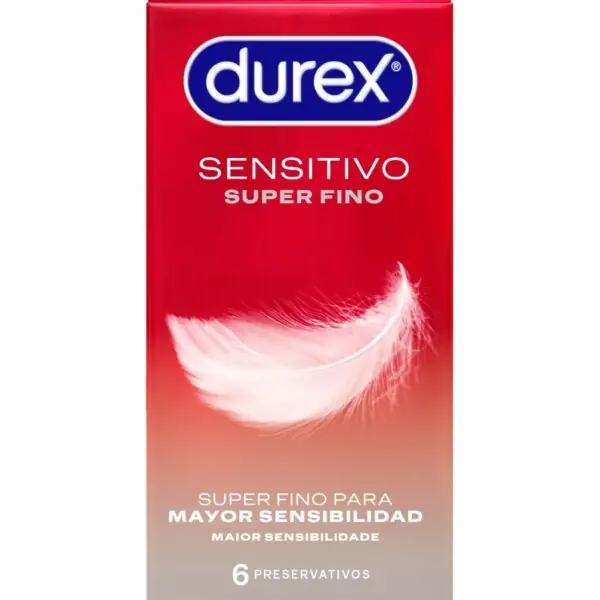
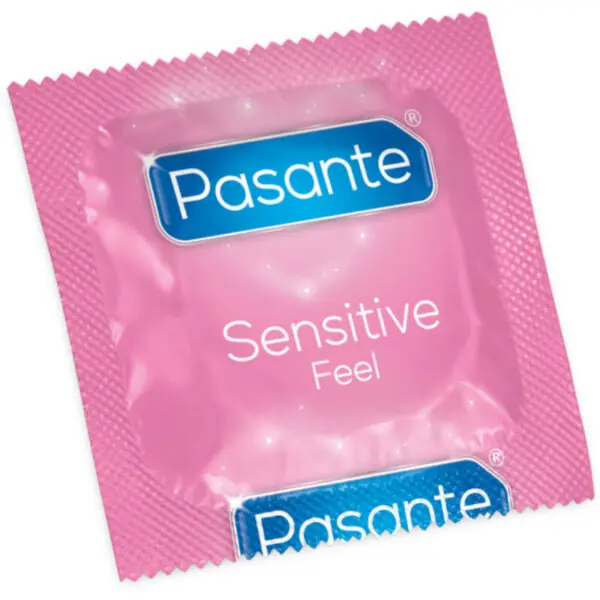
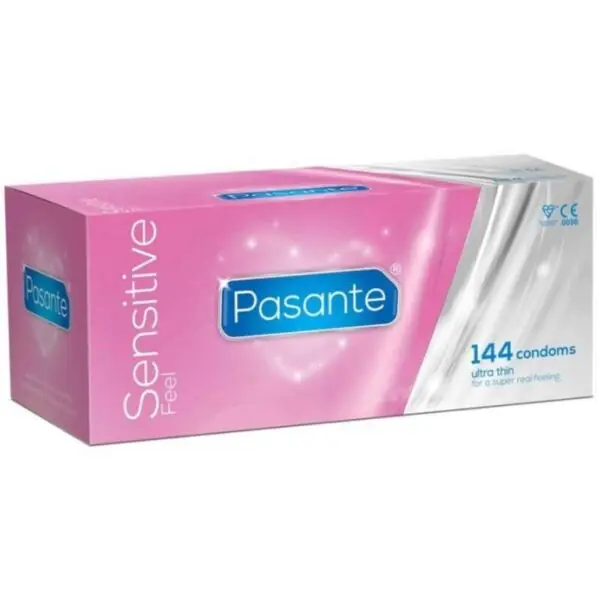
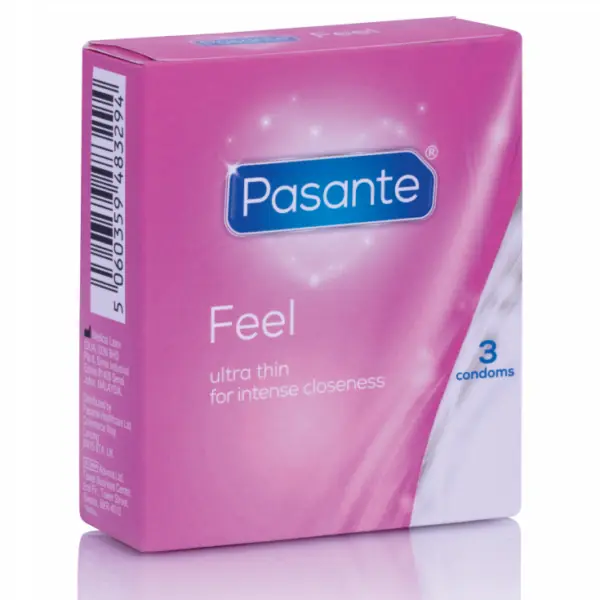
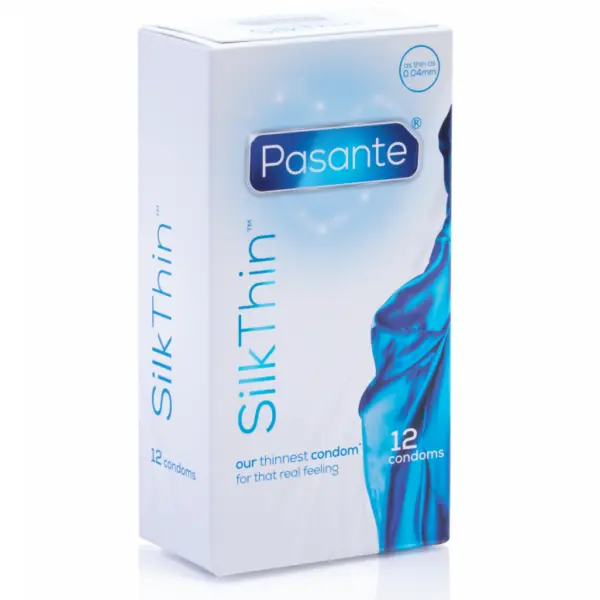
"Thin" and "sensitive" describe the same thing on a condom box: less material between you and your partner. Every condom on this shelf is latex, and every one of them protects exactly as well as a standard condom when it is the right size and put on correctly. Thinner does not mean weaker — it means less padding between skin and skin.
What the wall thickness actually changes
A standard condom wall is around 0.06 mm. The thin ranges go down to roughly 0.045 mm, and the ultra-thin lines lower still. In practice the difference people notice is heat transfer rather than thickness: a thinner wall carries body warmth through, and that is most of what "feeling more" means.
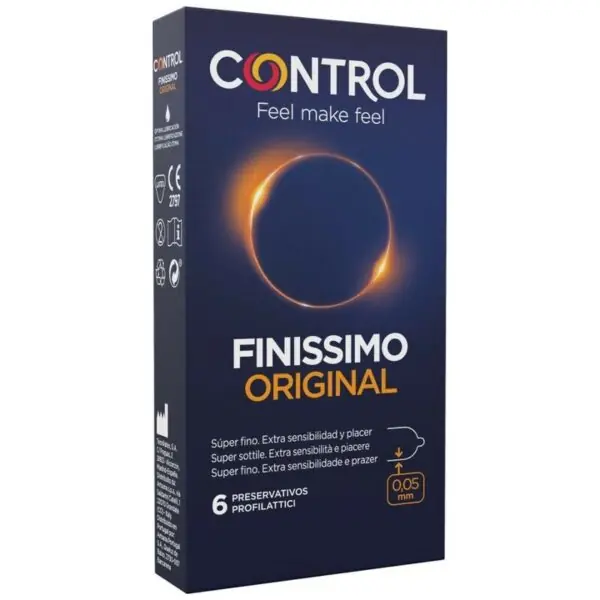
What it does not change is strength. Thin condoms are tested to the same standards as any other. Control Finissimo states a nominal width of 54 mm and is dermatologically tested, like the rest of the range.
The brands here
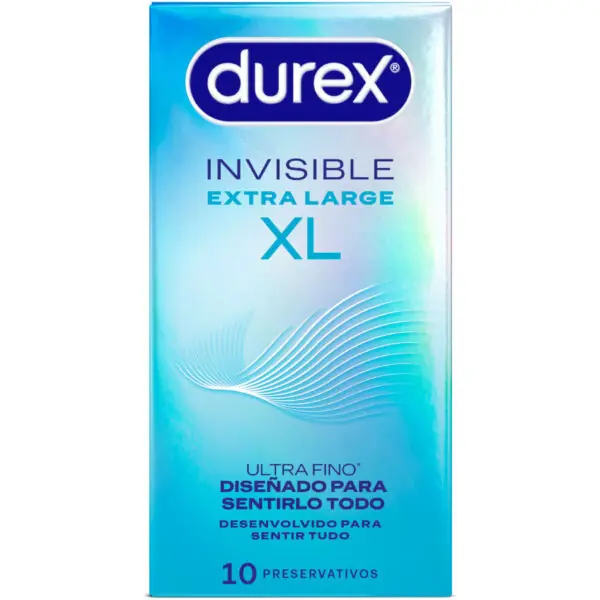
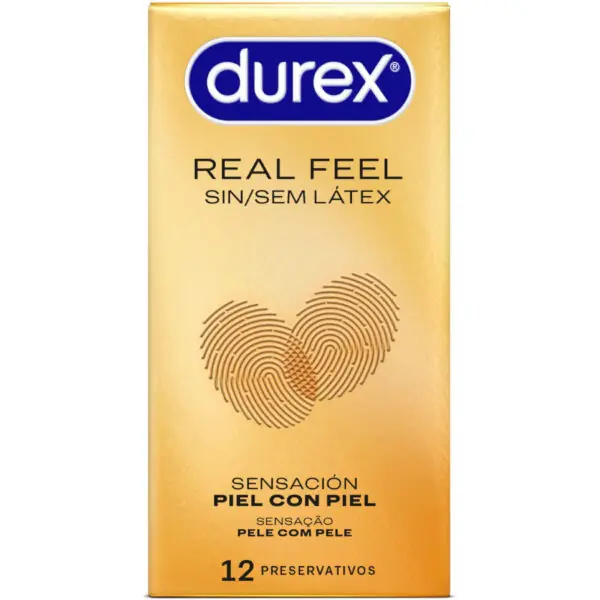
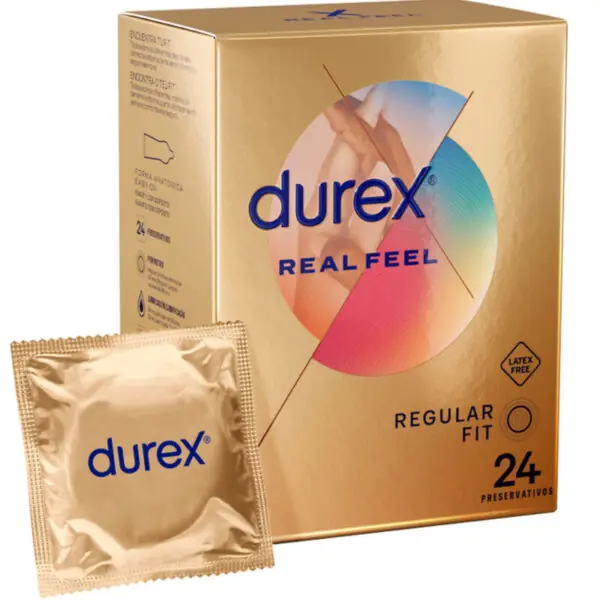
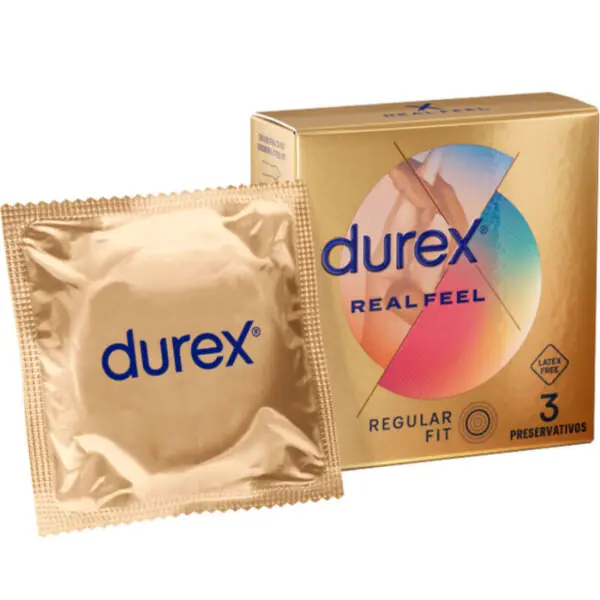
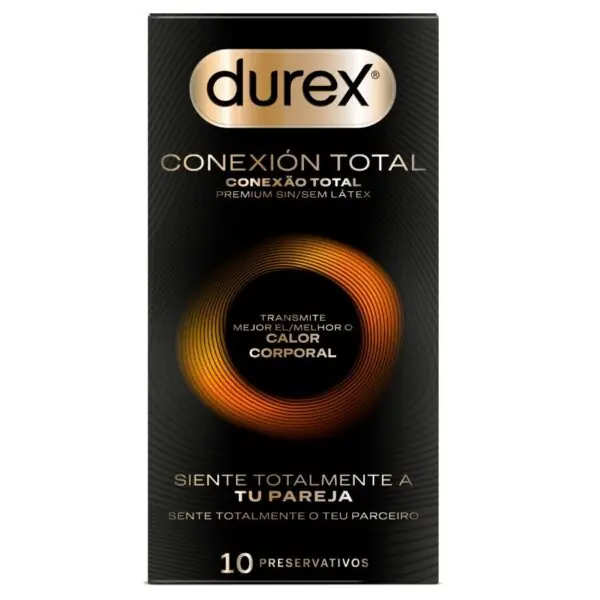
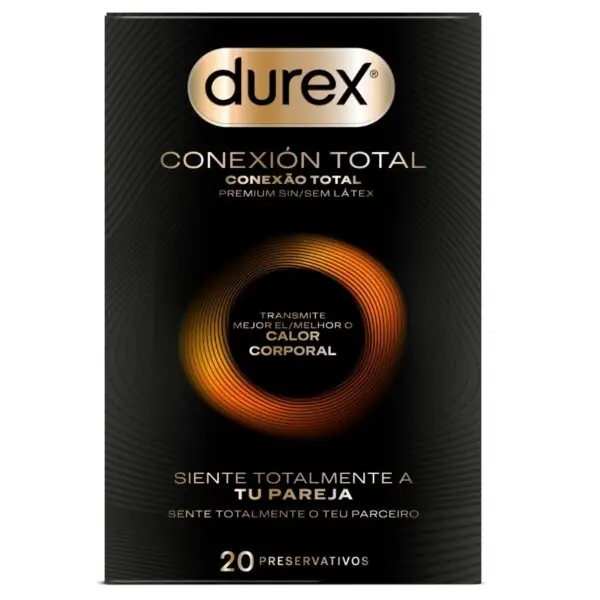
- Durex — the largest presence here. Durex Sensitive is the standard thin line; Thin Invisible is the thinnest they make; Real Feel is latex-free-feeling but still latex, aimed at heat transfer rather than thinness alone.
- Control — built around Finissimo, their thinnest.
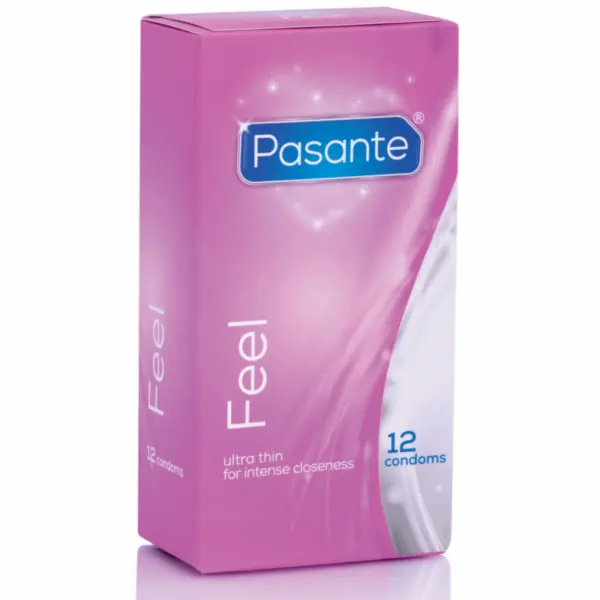
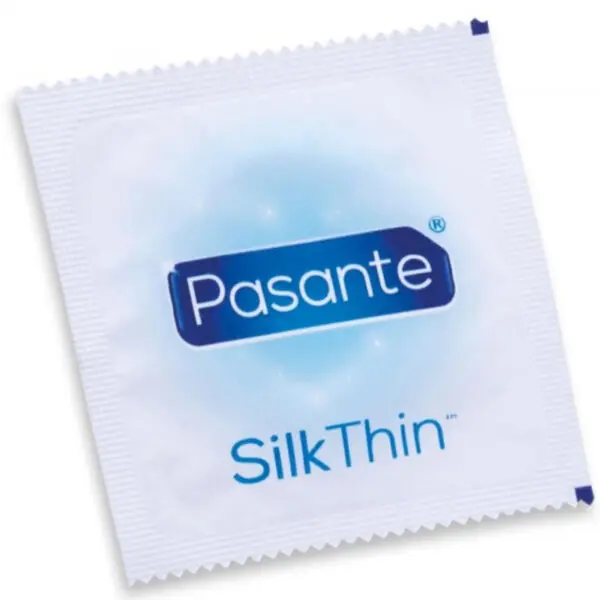
- Pasante — including Sensitive Thin and the Silk Fine line.
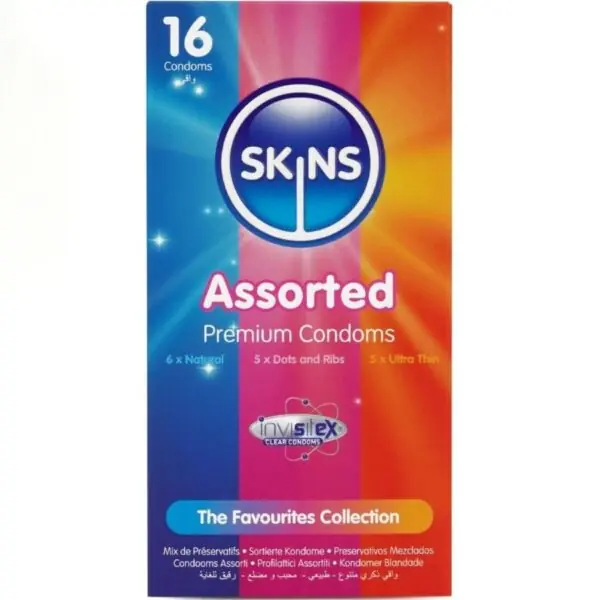
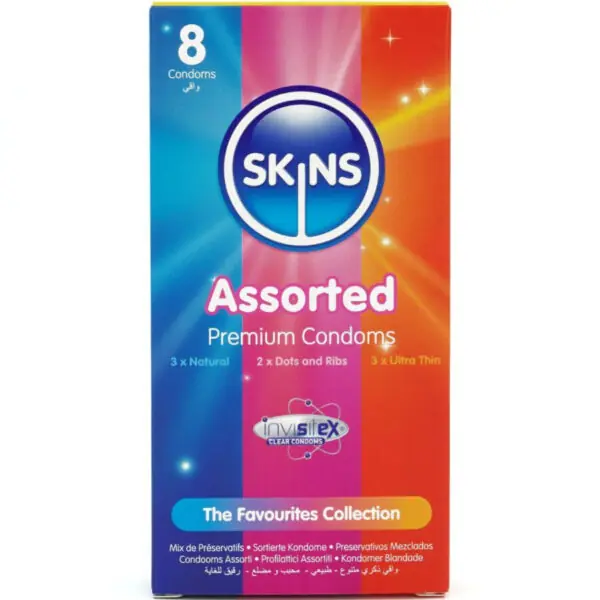
- Skins — a small range. Skins Assorted is an assorted pack that mixes natural, dotted, ribbed and ultra-thin rather than committing to one.
Size matters more than thickness
This is the part most people skip. A condom that is too narrow feels tight and is more likely to fail; one that is too wide slips. Nominal width — the flat measurement across the condom — is the number to look at, not length.
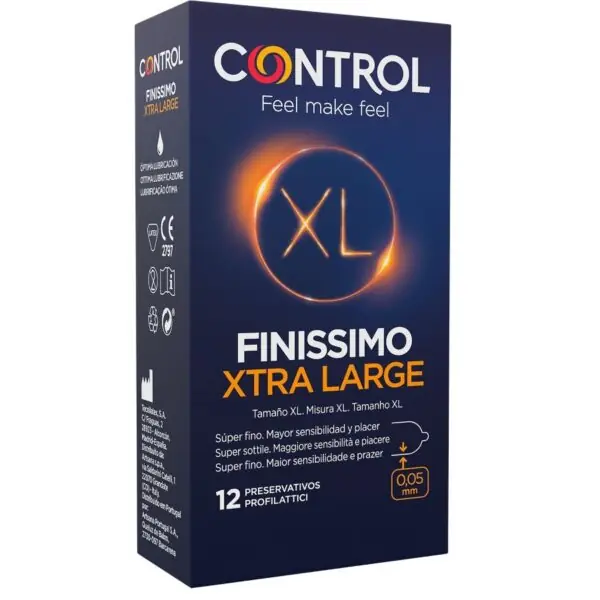
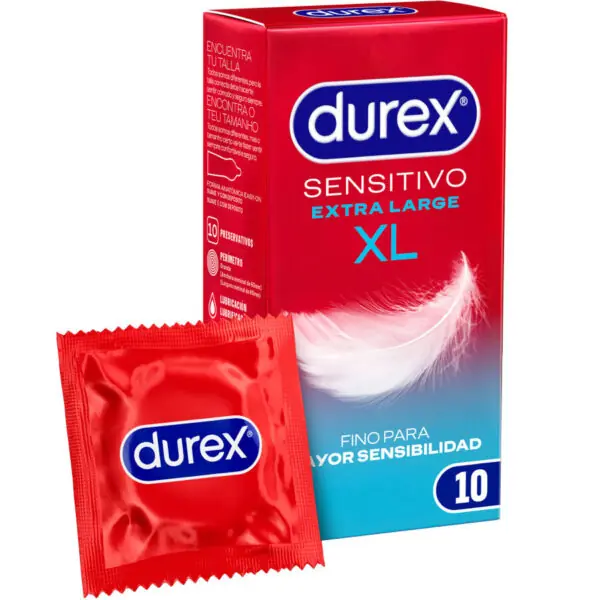
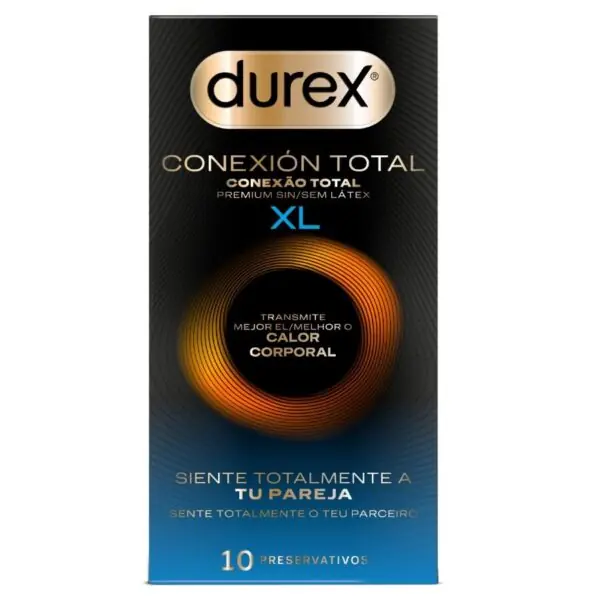
If the standard 54 mm sizes feel tight, the XL versions of the same lines are here: Durex Sensitive XL and Control Finissimo XL. For the full range of widths, see condoms by size.
Pack sizes
Boxes here run 3, 4, 6, 8, 10, 12, 16 and 24. The per-condom price drops sharply with volume — a box of three works out at roughly three times the unit price of a box of twenty-four.
Buy the small box first to find out whether a line suits you, then buy the large box of the one that does.
What goes with them
Latex is compatible with water-based and silicone lubricants. It is not compatible with oil — massage oils, body lotions and anything oil-based degrade latex and can cause a condom to fail. A water-based lubricant is the safe default.
Most of these boxes come pre-lubricated, which is enough for many people but rarely enough for anal use.
Frequently asked questions
Are thin condoms less safe?
No. They meet the same testing standards as standard condoms. The realistic risks are the same as with any condom: wrong size, oil-based lubricant, expired stock, or opening the packet with teeth.
What is the difference between "thin", "sensitive" and "ultra-thin"?
Marketing names rather than a regulated scale. Within one brand they are ranked — Durex Sensitive is thinner than Durex standard, Invisible thinner still — but the terms are not comparable across brands.
Do they have an expiry date?
Yes, printed on both the box and each foil. Latex degrades over time and faster in heat, so a wallet is a poor place to keep one for months.
What if I want texture as well?
That is a different shelf — see the full condoms range, or novelty condoms if you are buying them as a gift.
Showing 1–40 of 46 results